The Bronze Confession: Why Authoritarian Regimes Always Betray Their Own Anxiety in Stone
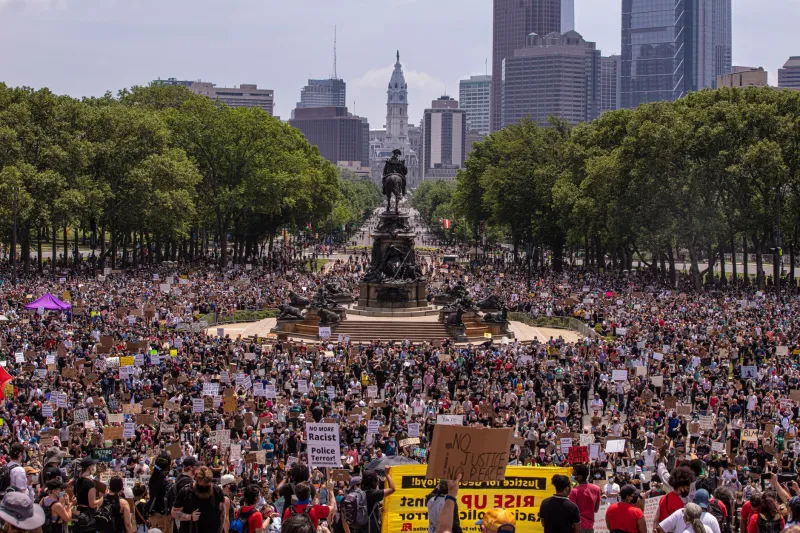
The Toppling Is Not the Interesting Part
When a statue falls, the cameras appear. The crowd's emotion is genuine, the imagery is dramatic, and the moment reads as historic in a way that is immediately legible to anyone watching. The toppling of Saddam Hussein's statue in Baghdad's Firdos Square in April 2003 was broadcast globally within hours. The pulling down of Confederate monuments across American cities in the summer of 2020 generated weeks of political controversy. The overnight disappearance of Soviet monuments from Eastern European capitals after 1989 became one of the defining visual records of that era's transformation.
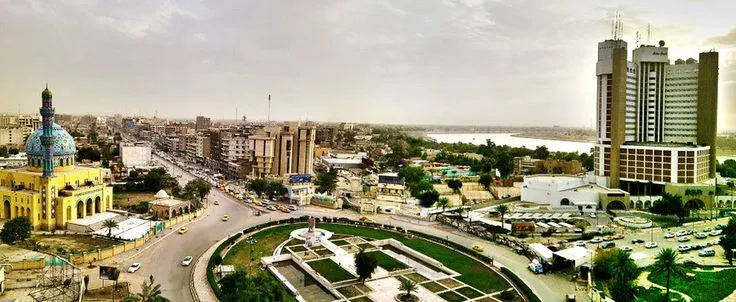 Photo: Firdos Square, via i.pinimg.com
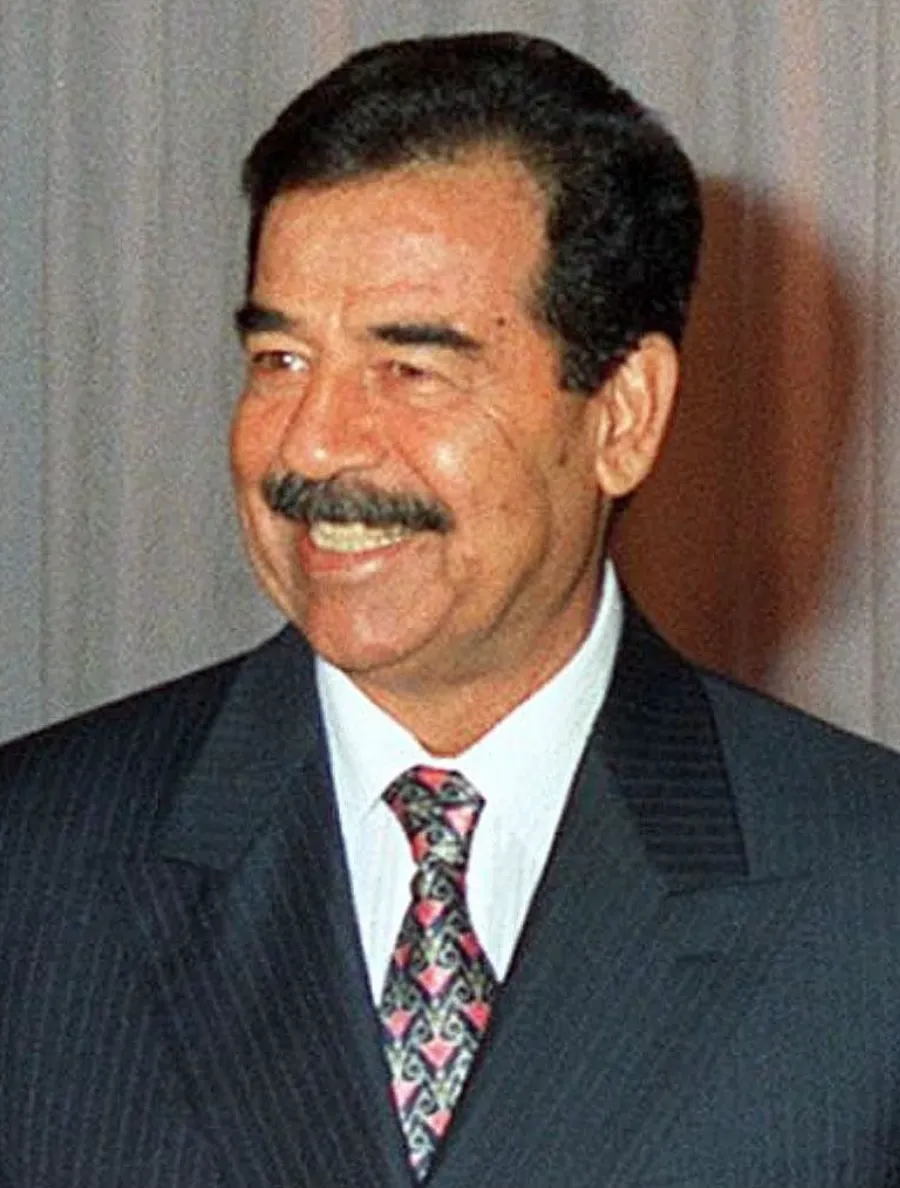 Photo: Saddam Hussein, via upload.wikimedia.org
These are the moments that attract attention. They are not, however, the moments that deserve the most careful examination.
The more revealing question is not why statues come down. It is why they went up.
Damnatio Memoriae and the Roman Admission
The Roman Senate's practice of damnatio memoriae — literally, the condemnation of memory — was applied to emperors, generals, and officials who died in disgrace or were overthrown by successors. Their names were chiseled from inscriptions. Their faces were removed from coins. Their statues were pulled down, melted, or reworked with new likenesses. The portraits of Domitian, Commodus, Geta, and Caracalla all suffered various degrees of this posthumous erasure.
What the practice reveals, viewed from sufficient historical distance, is a profound institutional anxiety that the Romans themselves would never have articulated in these terms: the new government was not confident that the old one was truly gone. If the previous regime were merely defeated, its monuments would be irrelevant. The urgent need to destroy those monuments signals that they remained potent — that the population might, given the continued presence of the old images, continue to organize its loyalties around the old power.
The statue is not just a piece of bronze. It is a standing argument that the man depicted was legitimate. Leaving it standing concedes the argument. Destroying it does not settle the argument. It acknowledges that the argument was real.
What the Monument Actually Says
Political iconography on the scale that authoritarian systems practice it — the enormous portraits of Mao Zedong, the omnipresent imagery of Kim Il-sung, the Stalin-era "cult of personality" that eventually became embarrassing enough for Khrushchev to denounce it by name — is frequently interpreted as evidence of strength. The leader is everywhere, therefore the leader is powerful.
The historical record suggests the opposite reading is more accurate. Democratic leaders in secure systems do not require their faces on every public surface. The President of the United States does not appear on billboards at highway intersections. The British Prime Minister does not have a portrait in every government office. The absence of this iconographic saturation is not modesty. It is confidence — the confidence of a government that does not need to continuously assert its own existence because that existence is not in serious doubt.
The regimes that plaster their leaders across every available surface are, in the language that human psychology has used consistently across five millennia, protesting too much. The monument is a claim. Claims are made by people who anticipate challenges.
The Confederate Monument Timeline
This framework illuminates one of the more contentious ongoing debates in American public life with unusual clarity. The popular understanding of Confederate monuments treats them as artifacts of the Civil War era — memorials to the Confederate dead erected in grief by communities that had lost a generation of men. The historical record is more complicated.
The most intensive period of Confederate monument construction was not the 1860s and 1870s. It was the first two decades of the twentieth century and, separately, the 1950s and 1960s. The first wave coincided with the systematic legal codification of Jim Crow segregation across the South. The second coincided with the Civil Rights Movement and the federal government's increasing pressure on Southern states to dismantle that system.
The monuments were not primarily expressions of grief. They were arguments — claims about who had the legitimate right to define the South's public identity at moments when that right was actively contested. The timing is not ambiguous. The communities erecting statues of Robert E. Lee in 1910 or 1962 were not processing a wound from fifty or a hundred years earlier. They were responding to a present political threat.
This does not make the monuments historically unique. It makes them historically typical.
The Soviet Lesson in Permanent Temporariness
The Soviet Union's monumental program was among the most extensive in human history. Statues of Lenin were installed in virtually every city, town, and significant public space across the USSR and its satellite states. The program was not merely propagandistic in the narrow sense. It was ontological — an attempt to make a particular vision of history so physically present that it would become indistinguishable from reality itself.
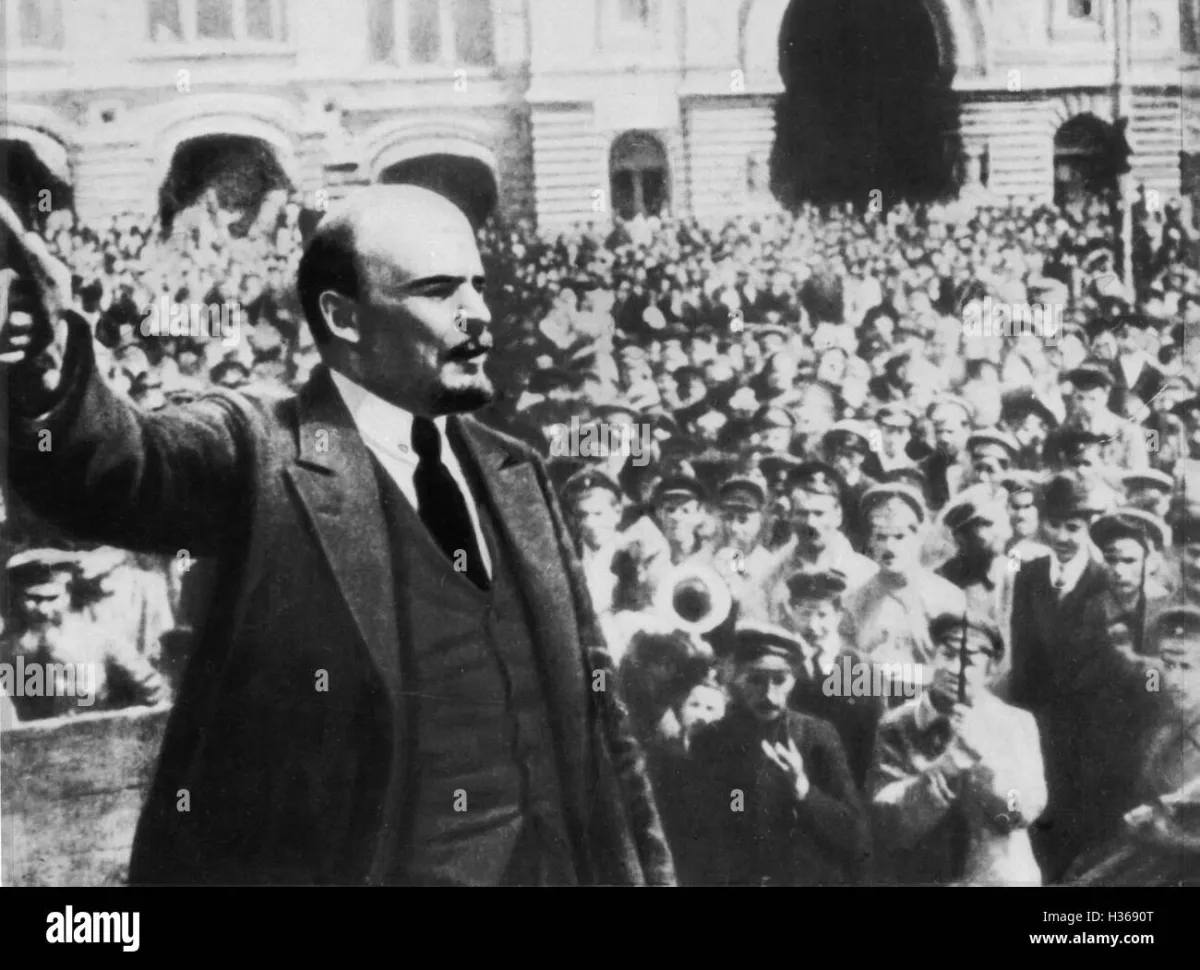 Photo: Lenin, via c8.alamy.com
When the Soviet system collapsed between 1989 and 1991, the monuments became the first battlefield. In some Eastern European capitals, the statues came down within hours of the political transition. In others, they were relocated to dedicated parks — repositories of obsolete ideology where they could be examined as historical artifacts rather than venerated as living symbols. The speed and urgency of these removals was not incidental. The new governments understood, with the instinctive accuracy that political actors often display, that leaving the old monuments standing would mean leaving the old argument standing.
What no one in the Soviet system had apparently considered was the possibility that the monuments' very ubiquity was an advertisement for the regime's insecurity. A system confident in its permanence does not need to be everywhere. It is simply there.
The Paradox That the Record Keeps Producing
The conclusion that five thousand years of political iconography forces upon any honest observer is counterintuitive but consistent: the monument-building impulse is most intense precisely where political legitimacy is most fragile. The pharaohs who built the most colossal temples were frequently those managing contested successions or military reverses that threatened the divine order they claimed to embody. The Roman emperors most aggressive about propagating their imagery were often those who had seized power through force rather than inheritance. The twentieth-century totalitarian regimes that covered every surface with their leaders' faces were governing populations that had not chosen them and would not have chosen them.
For American audiences navigating contemporary debates about which figures deserve public commemoration — debates that are unlikely to resolve cleanly or soon — the historical pattern offers a clarifying question. It is not: does this person deserve to be remembered? It is: what argument was this monument built to make, and is that argument one the community still wishes to advance?
The statue that stayed up too long was never just a statue. It was a sentence that someone, at some point, decided needed to be said in stone because saying it in words had not been enough. The regime that built it knew, on some level, that the argument was not over.
The regime that tears it down is having the same argument. The medium has simply changed.