The Guardian Who Seized the Gate: How Democracy's Protectors Become Its Gravediggers
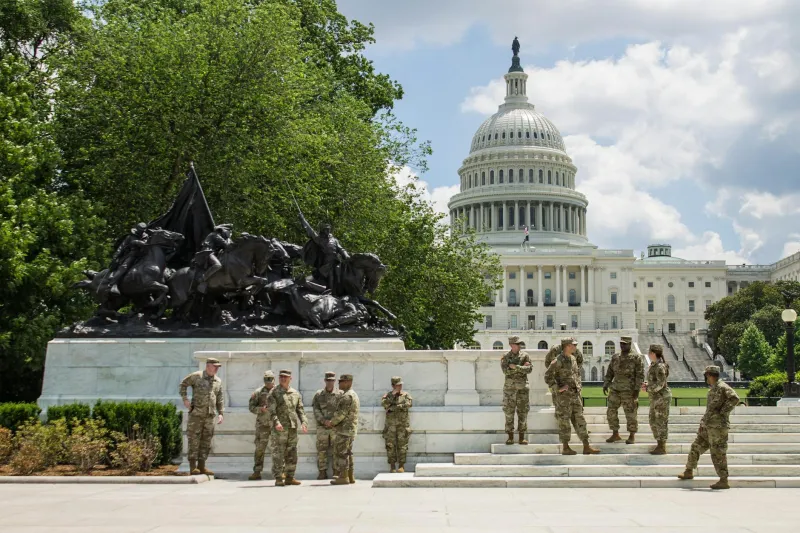
The Moment of Maximum Vulnerability
Every democracy reaches the same crossroads eventually. The institutions strain, the people grow restless, and someone in uniform steps forward with a simple promise: trust me to fix this, and I'll return everything to normal once the crisis passes. History has recorded this scene so many times that we should recognize the script by now, yet each generation seems surprised when the savior becomes the tyrant.
The pattern runs deeper than individual ambition or circumstance. It emerges from a fundamental contradiction in how democracies handle existential threats. When civilian authority falters, who else can restore order but those who control the instruments of force? Yet the very qualities that make someone effective at seizing power make them uniquely dangerous at wielding it.
The Roman Template
Lucius Cornelius Sulla provided the template that would echo through millennia. When the Roman Republic faced civil war in 88 BCE, Sulla positioned himself as the defender of traditional values and constitutional order. He marched on Rome not as a conqueror, but as a restorer. His dictatorship, he insisted, was temporary—a necessary surgery to remove the cancer of corruption and return the state to health.
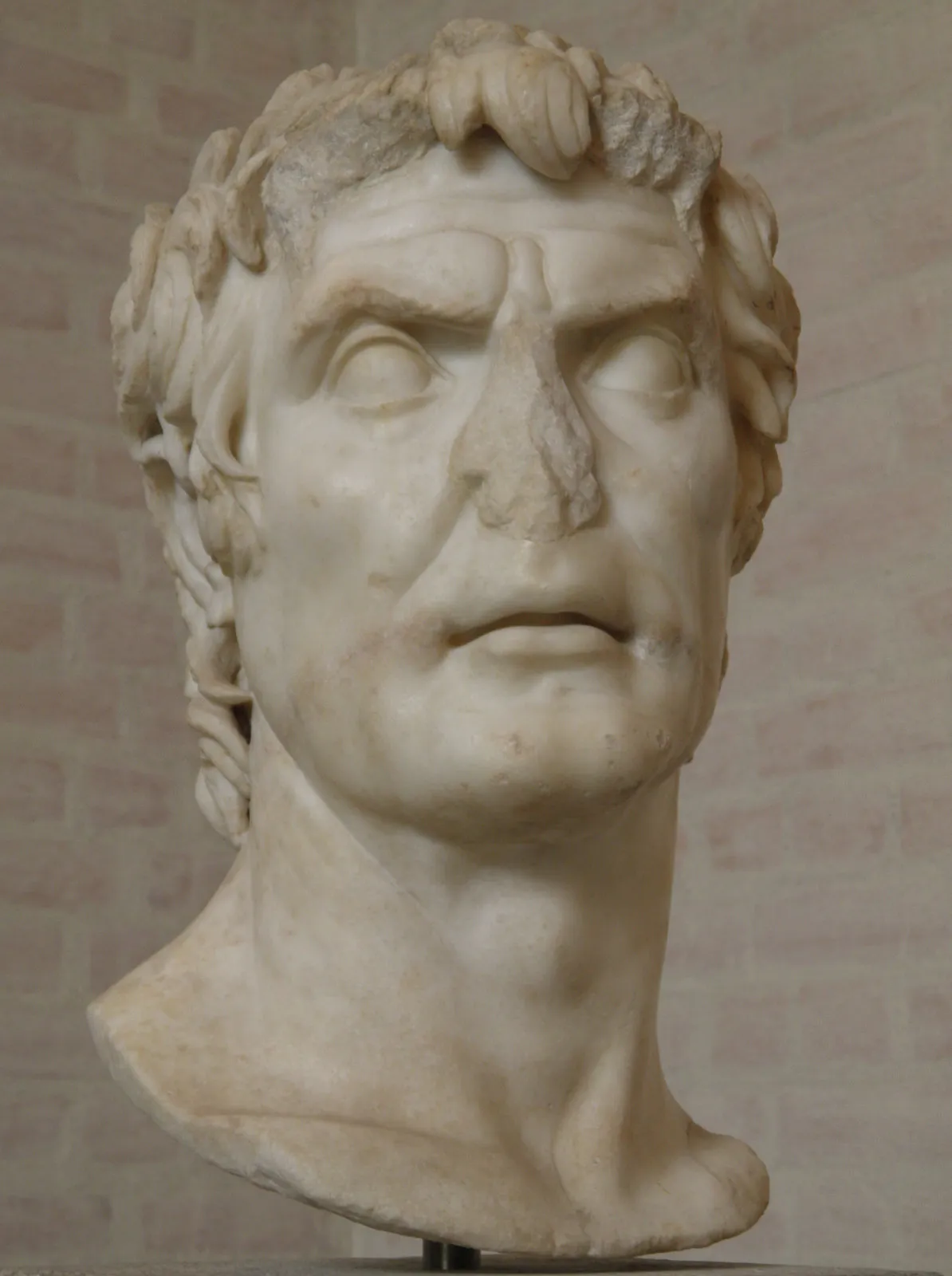 Photo: Lucius Cornelius Sulla, via www.worldhistory.org
Sulla did something remarkable: he actually stepped down. In 79 BCE, he resigned his powers and retired to private life, proving that his intentions had been genuine. Yet his precedent proved more dangerous than any tyranny. He had demonstrated that the republic could be dissolved and reconstituted at will, that the constitution was merely a set of suggestions that could be suspended whenever circumstances demanded.
Every subsequent strongman would claim Sulla's mantle while ignoring his restraint. Julius Caesar, Augustus, and countless others would invoke the same justification—temporary emergency powers to save the republic—while never quite finding the right moment to relinquish them.
The English Experiment
Oliver Cromwell's rise followed the identical pattern fifteen centuries later. When Charles I's autocracy threatened English liberties, Parliament turned to its most capable military commander. Cromwell didn't seek power; it was thrust upon him by circumstances. He genuinely believed in constitutional government and religious freedom. His early actions suggested a man committed to republican ideals.
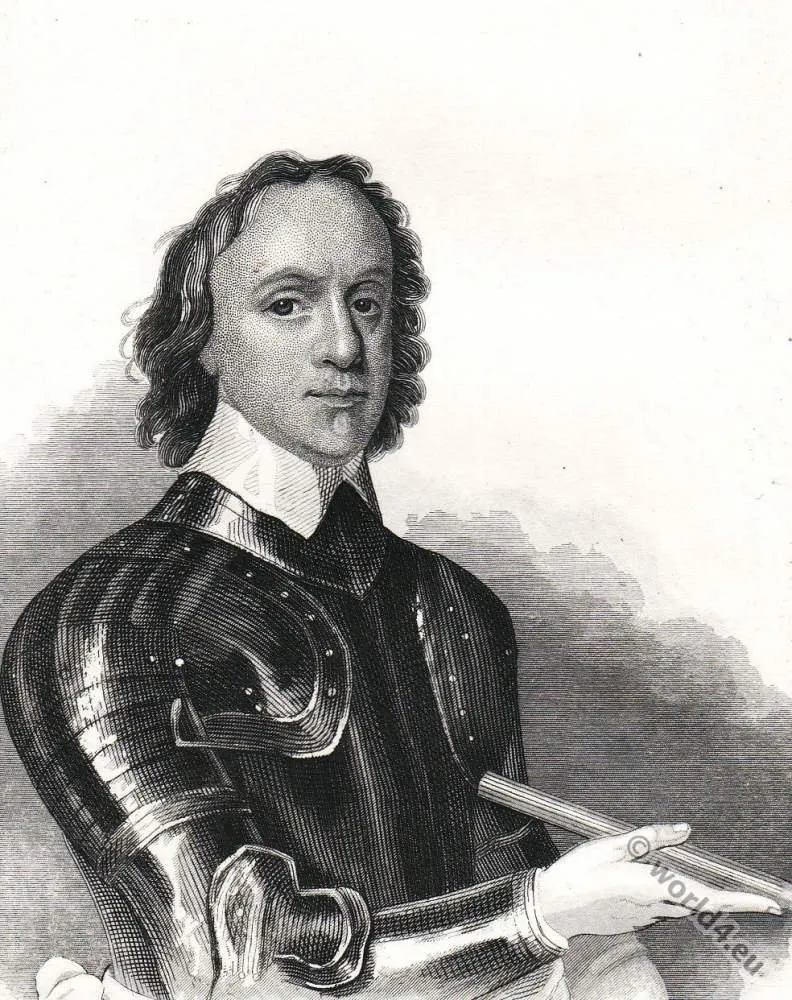 Photo: Oliver Cromwell, via world4.eu
Yet within a decade, Lord Protector Cromwell wielded more absolute power than any English monarch in memory. He dissolved Parliament when it opposed him, ruled by military decree, and established a surveillance state that would have impressed the Stuarts. The man who had fought against divine right monarchy created something remarkably similar, justified not by bloodline but by revolutionary necessity.
The pattern reveals itself most clearly in Cromwell's own words. Early in his career, he wrote passionately about the dangers of military rule and the importance of civilian authority. By the end, he was lecturing Parliament about their duty to submit to his wisdom. The transformation wasn't hypocrisy—it was the predictable evolution of emergency powers in the hands of someone who genuinely believes himself indispensable.
The Modern Multiplication
The twentieth century industrialized this ancient pattern. From Latin American caudillos to African liberation leaders to Middle Eastern colonels, the same script played out with mechanical regularity. Each coup began with genuine grievances: corruption, foreign interference, economic collapse, ethnic violence. Each military intervention started with reluctant officers who insisted they wanted nothing more than to restore civilian rule.
The results followed a depressingly familiar arc. General Augusto Pinochet stepped in to save Chile from Marxist chaos and ended up ruling for seventeen years. Egypt's Free Officers overthrew a corrupt monarchy in 1952 and established a military dictatorship that persists in various forms today. Pakistan's generals have repeatedly intervened to save democracy from itself, each time discovering new reasons why the country isn't quite ready for civilian rule.
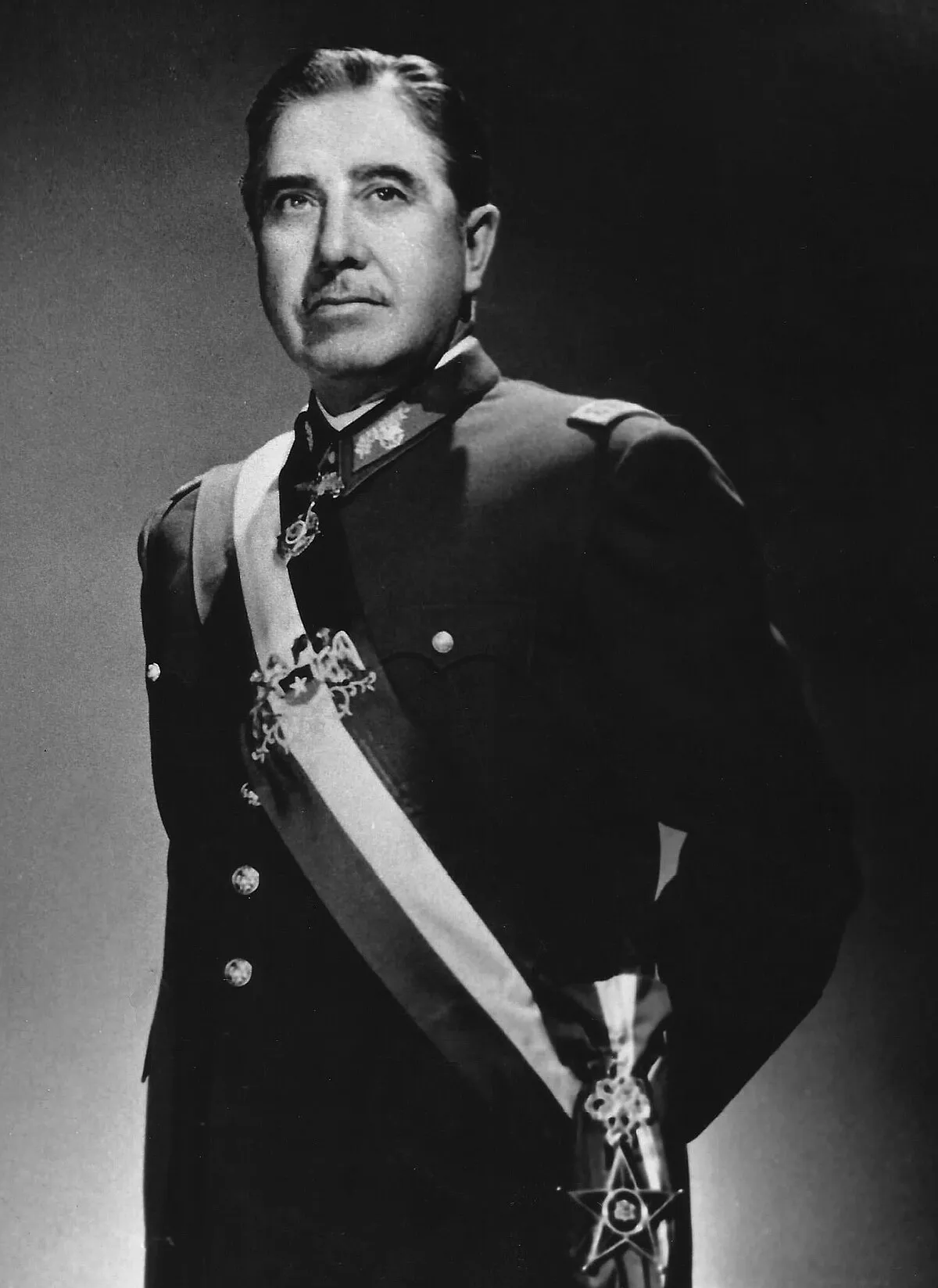 Photo: Augusto Pinochet, via upload.wikimedia.org
The Psychology of the Indispensable Man
What transforms reluctant guardians into permanent rulers? The answer lies in the unique psychological position of the military strongman. Unlike hereditary monarchs or elected politicians, generals who seize power genuinely believe they earned their position through merit and necessity. They didn't inherit authority or buy it with promises—they took it to serve the greater good.
This sense of earned legitimacy makes relinquishing power psychologically impossible. Every challenge to their authority becomes evidence of the people's ingratitude. Every criticism confirms that civilians don't understand the sacrifices required for stability. Every call for elections proves that the nation isn't ready for the responsibilities of self-government.
The strongman's supporters inadvertently reinforce this dynamic. Having invested their hopes in a savior figure, they resist any suggestion that salvation might have a sell-by date. The same crowds that cheered Cromwell's victories later demanded he accept the crown. The same officers who supported Pinochet's coup later urged him to ignore term limits.
The American Exception
The United States has largely avoided this pattern, but not through any special virtue of its people or institutions. George Washington's decision to step down after two terms created a precedent so powerful that it took 150 years for anyone to seriously challenge it. Yet even America has witnessed the dangerous moments: Douglas MacArthur's insubordination during the Korean War, the Pentagon's resistance to civilian oversight during Vietnam, the expansion of executive power during every national crisis.
The difference lies not in American exceptionalism but in timing and circumstance. The republic survived its vulnerable early decades before developing the kind of military establishment that could threaten civilian authority. By the time America possessed a modern defense apparatus, democratic norms had become sufficiently entrenched to constrain military ambition.
The Eternal Dilemma
Democracies face an impossible choice when crisis strikes. Civilian authority may be incapable of decisive action, but military intervention inevitably corrupts both the savior and the saved. The general who steps forward to preserve democracy becomes, by that very act, democracy's greatest threat.
History offers no solution to this dilemma, only warning signs. The moment a democracy begins debating whether it needs a strong hand to guide it through crisis, it has already taken the first step toward losing what it seeks to protect. The guardian who seizes the gate rarely returns the keys voluntarily, no matter how pure his original intentions.
The pattern will repeat because human psychology hasn't changed. Power still corrupts, necessity still justifies overreach, and temporary measures still become permanent fixtures. The only defense is recognition—understanding that the man on horseback, however noble his intentions, represents not salvation but the beginning of the end.