
In the winter of 562 AD, Emperor Justinian summoned his greatest general to Constantinople. Belisarius had conquered North Africa, reclaimed much of Italy, and saved the empire from Persian invasion. His reward? House arrest and the confiscation of his wealth. The man who had extended Byzantine power further than any general since the classical period died in obscurity, officially disgraced for "conspiracy" against the throne he had spent his life defending.
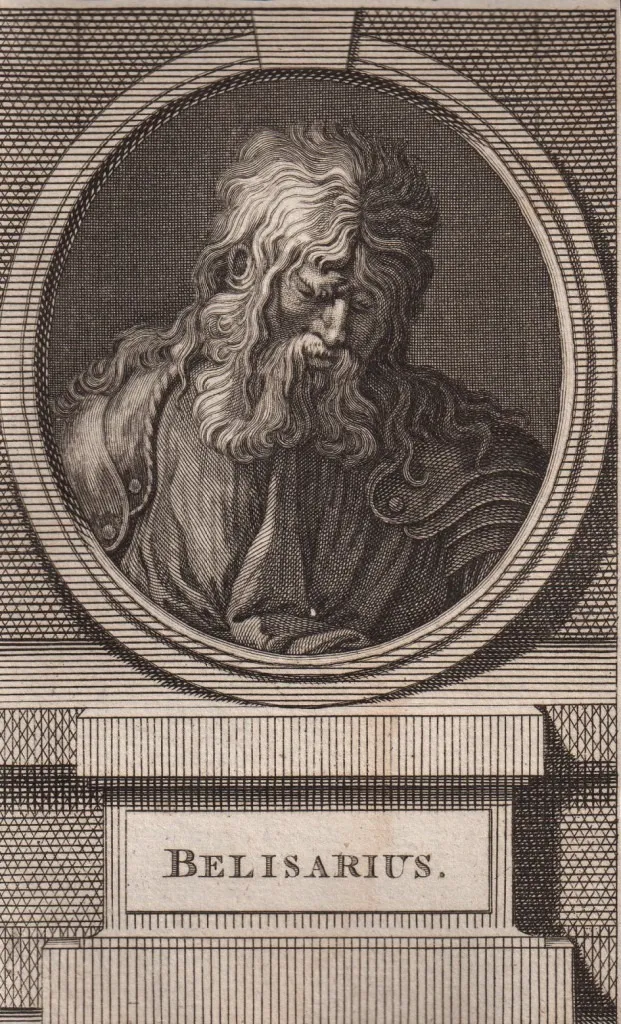 Photo: Belisarius, via antiqueportrait.com
The script was already ancient when Justinian performed it, and it would be performed countless times afterward. Five thousand years of recorded history reveal a consistent pattern: regimes under pressure manufacture heroes, then sacrifice them to demonstrate accountability without surrendering actual power.
The Mechanics of Manufactured Disgrace
The process follows predictable stages. First, a competent figure is elevated to handle a crisis—military, economic, or political. Their success makes them invaluable, but also visible. When public frustration mounts over conditions beyond any individual's control, the regime faces a choice: accept responsibility or redirect blame.
Redirection wins every time.
Consider Erwin Rommel, lionized by Nazi propaganda as the "Desert Fox" until Germany's position became untenable. His tactical brilliance in North Africa made him a household name, but when the regime needed to demonstrate that someone was accountable for military failures, even the most celebrated general became expendable. The conspiracy charges were almost incidental—what mattered was the public perception that justice had been served without touching the actual power structure.
This pattern transcends political systems. Democratic governments perform the same ritual with technocrats and administrators. The Federal Reserve chairman who raises interest rates during an economic downturn, the CDC director who implements unpopular health measures, the Pentagon official who oversees a controversial military operation—all become convenient repositories for public anger when policies produce inevitable friction.
The American Tradition
The United States has refined this ancient practice with characteristic efficiency. Douglas MacArthur's dismissal during the Korean War exemplifies the pattern: a genuine military hero whose public profile exceeded his usefulness to civilian leadership. President Truman's decision wasn't primarily about insubordination—it was about demonstrating that accountability existed within the system without questioning the system itself.
More recently, the COVID-19 pandemic provided a master class in scapegoat selection. Dr. Anthony Fauci became the face of federal health policy, absorbing both praise and criticism that might otherwise have attached to elected officials. When public frustration peaked, his decades of service became irrelevant to his political utility as a target.
The pattern repeats across agencies and administrations. The CIA director who oversaw intelligence failures, the Treasury secretary who presided over financial instability, the Attorney General who enforced unpopular laws—each serves as a lightning rod until the political cost of defending them exceeds their value as shields.
Why Loyalty Guarantees Nothing
The most striking aspect of this historical pattern is how little loyalty protects the eventual scapegoat. Belisarius never wavered in his devotion to Justinian. Rommel remained committed to Germany even as he was forced to choose between suicide and a show trial. American officials who dedicate careers to public service discover that their dedication becomes evidence of their expendability, not their value.
This paradox exists because the most effective scapegoats must be credible. A genuinely corrupt or incompetent official makes an unsatisfying sacrifice—the public recognizes that removing them solves nothing. But a competent, loyal servant whose only crime was association with unpopular outcomes? Their fall carries moral weight precisely because it seems unjust.
The system requires this injustice to function. If only the genuinely guilty were sacrificed, the public might begin to expect actual accountability from those who set policy rather than those who implement it.
The Eternal Return
Every generation believes its political scandals are unprecedented, but the underlying mechanics remain constant. Technology changes the speed and scale of information, but human psychology processes betrayal and sacrifice the same way it did five thousand years ago. The crowd still demands blood when things go wrong, and rulers still prefer to spill someone else's.
This isn't cynicism—it's recognition. Understanding the pattern doesn't prevent it, but it does illuminate why competent people continue to serve systems that will eventually consume them. The alternative isn't moral purity; it's institutional collapse. Someone must run the machinery of governance, even knowing that the machine occasionally requires human fuel.
The next time a decorated general, respected official, or longtime bureaucrat suddenly finds themselves at the center of a political storm, remember Belisarius. The charges may be different, the century may be different, but the play remains the same. History doesn't repeat, but it does rhyme—and this particular verse has been recited for millennia.