Words on Paper, Daggers in Practice: The Five-Millennium History of Worthless Loyalty Pledges
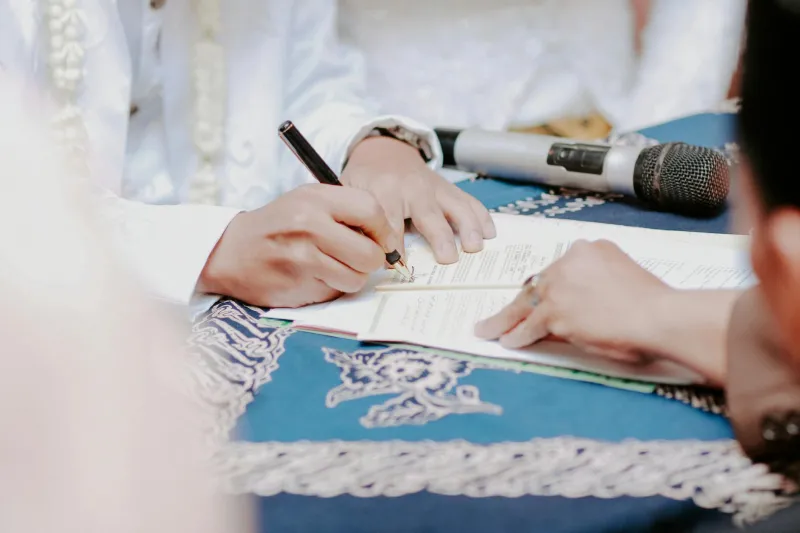
The Theater of Forced Devotion
In 216 BCE, as Hannibal's elephants trampled Roman legions at Cannae, the Senate demanded that all remaining citizens swear renewed oaths of loyalty to the Republic. The ceremony was elaborate, the words carefully crafted, the participation mandatory. Within months, several Italian cities that had performed these very rituals opened their gates to Carthaginian forces.
This pattern—the desperate demand for verbal commitment followed by its spectacular failure—has repeated across five millennia with such consistency that it reveals something fundamental about human psychology. Loyalty oaths don't create loyalty. They expose its absence.
The Psychology of Coerced Commitment
Every psychology experiment on forced compliance reaches the same conclusion: when people are compelled to declare beliefs they don't hold, they don't internalize those beliefs—they perfect their performance of them. The medieval vassal kneeling before his lord, the colonial administrator swearing allegiance to a distant crown, the State Department employee signing McCarthy-era affidavits—all were engaging in political theater, not genuine transformation.
The human mind distinguishes between chosen commitment and imposed declaration. A loyalty oath administered under duress creates what psychologists call "surface acting"—the conscious performance of required emotions without the underlying feeling. The more elaborate the ceremony, the more obvious the performance becomes.
When Babylon Invented the Loyalty Trap
The earliest recorded loyalty oaths appear in Mesopotamian tablets from around 2500 BCE, where local governors were required to periodically renew their allegiance to distant kings. These documents reveal a telling pattern: the more frequently oaths were demanded, the more likely the oath-taker was to rebel.
King Hammurabi's successors discovered this the hard way. Their archives are filled with increasingly elaborate oath ceremonies, each more binding than the last, each followed by fresh revolts from the very officials who had just sworn eternal fealty. The administrative records show a clear correlation: provinces that required monthly loyalty ceremonies lasted an average of three years before rebellion, while those with minimal oath requirements remained stable for decades.
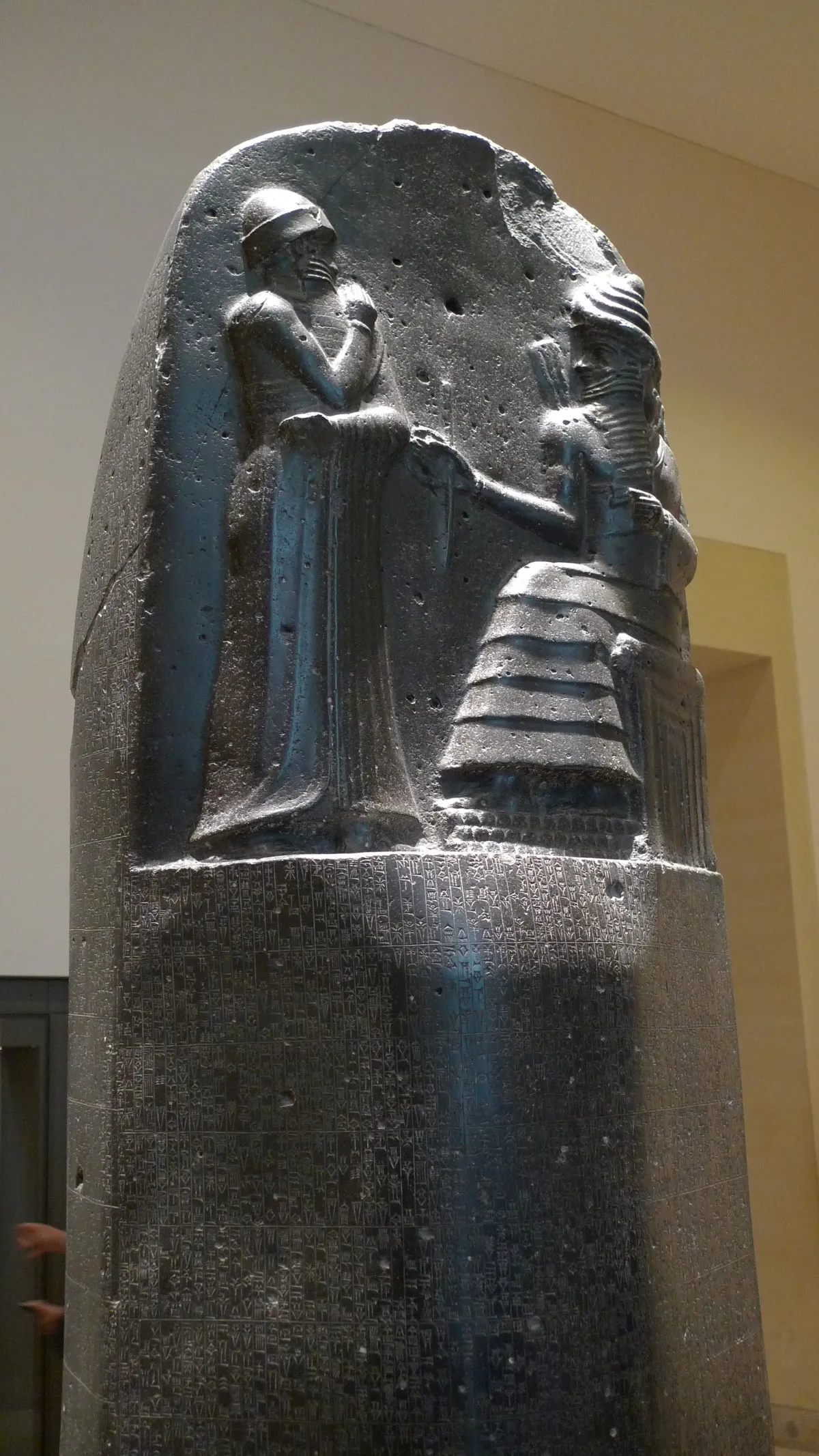 Photo: King Hammurabi, via i.pinimg.com
The ancient world learned what modern democracies keep forgetting—forced declarations of loyalty are symptoms of political weakness, not tools for creating political strength.
The American Experience with Manufactured Patriotism
The United States has cycled through this pattern repeatedly. The Alien and Sedition Acts of 1798 required loyalty declarations from immigrants precisely when the young republic felt most vulnerable to foreign influence. The Civil War loyalty oaths demanded of federal employees coincided with genuine questions about the government's survival. The Red Scare loyalty programs of the 1950s emerged during peak anxiety about Soviet infiltration.
In each case, the oaths failed to achieve their stated purpose while succeeding brilliantly at their unstated one: identifying who was already loyal versus who was merely compliant. The genuinely loyal found the oaths insulting and unnecessary. The potentially disloyal found them easy to sign.
Senator Joseph Welch captured this dynamic perfectly during the Army-McCarthy hearings: "Have you no sense of decency, sir?" The question wasn't about loyalty—it was about the corruption of loyalty itself through mechanical enforcement.
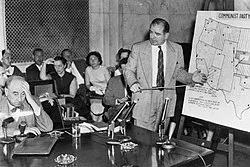 Photo: Senator Joseph Welch, via upload.wikimedia.org
The Dictator's Tell
History's most insecure regimes have always been the most oath-obsessed. Stalin's Soviet Union required loyalty pledges from everyone from factory workers to opera singers. Mao's China institutionalized self-criticism sessions where citizens regularly renewed their commitment to the revolution. Saddam Hussein's Iraq made loyalty oath ceremonies a monthly ritual for government employees.
These weren't signs of strength—they were symptoms of paranoia. Secure governments don't need to constantly verify their employees' allegiance because secure governments inspire genuine loyalty through competent performance, not theatrical performance.
The historical record shows that regimes fall roughly in proportion to how often they demand loyalty oaths. The correlation is so strong it functions as a diagnostic tool: when a government starts requiring frequent pledges of allegiance, start watching for exits.
The Modern Loyalty Litmus Test
Contemporary American politics has rediscovered the loyalty oath in new forms. Congressional hearings that demand specific verbal formulations. Corporate diversity training that requires signed acknowledgments of belief. Social media platforms that compel users to affirm community standards.
The psychology remains unchanged. Forced declarations create resentment in the genuinely committed and provide cover for the genuinely hostile. The person who enthusiastically signs every loyalty pledge is often the person least committed to the underlying principles.
Why Oaths Backfire
The fundamental problem with loyalty oaths is that they mistake the symptom for the disease. Disloyalty isn't caused by insufficient verbal commitment—it's caused by legitimate grievances against the oath-demanding authority.
When Rome's Italian allies rebelled in the Social War of 91 BCE, it wasn't because they hadn't sworn enough oaths to the Republic. It was because the Republic had denied them citizenship while demanding their military service. The oaths were irrelevant; the underlying injustice was decisive.
Modern psychological research confirms what ancient administrators learned through bitter experience: loyalty is earned through consistent fair treatment, not manufactured through ritual declaration. The government that needs to constantly verify its employees' loyalty is usually the government that has given its employees reasons to be disloyal.
The Genuine Alternative
The most stable governments in history have required the fewest loyalty oaths. The British civil service, for instance, has functioned for centuries with minimal oath requirements while maintaining remarkable institutional continuity through dramatic political changes. Swiss democracy has survived world wars and revolutions without demanding regular loyalty pledges from its citizens.
These systems work because they're designed to function regardless of individual loyalty. They create institutional incentives for good behavior rather than relying on personal virtue. They assume self-interest rather than demanding self-sacrifice.
The Record's Verdict
Five thousand years of human experience deliver a consistent verdict: loyalty oaths are political placebos that make rulers feel better while solving nothing. They represent the triumph of wishful thinking over practical governance.
The truly loyal don't need to swear it. The genuinely disloyal will swear anything. And the vast majority in between will judge their government not by the eloquence of its loyalty ceremonies, but by the competence of its daily performance.
Every oath ceremony is really a confession—not of the oath-taker's devotion, but of the oath-demander's insecurity. History's lesson is clear: when your government starts requiring loyalty pledges, it's time to start questioning why.