The Mercy That Kills Democracy: How Pardoning Dictators Plants the Seeds of Their Return

The Devil's Bargain
In 1977, Spain faced an impossible choice. Francisco Franco was dead, but his supporters still controlled key institutions—the military, the judiciary, much of the bureaucracy. The democratic opposition wanted justice for forty years of dictatorship, but they also wanted to avoid civil war. The solution was the Pact of Forgetting: amnesty for Franco's officials in exchange for a peaceful transition to democracy.
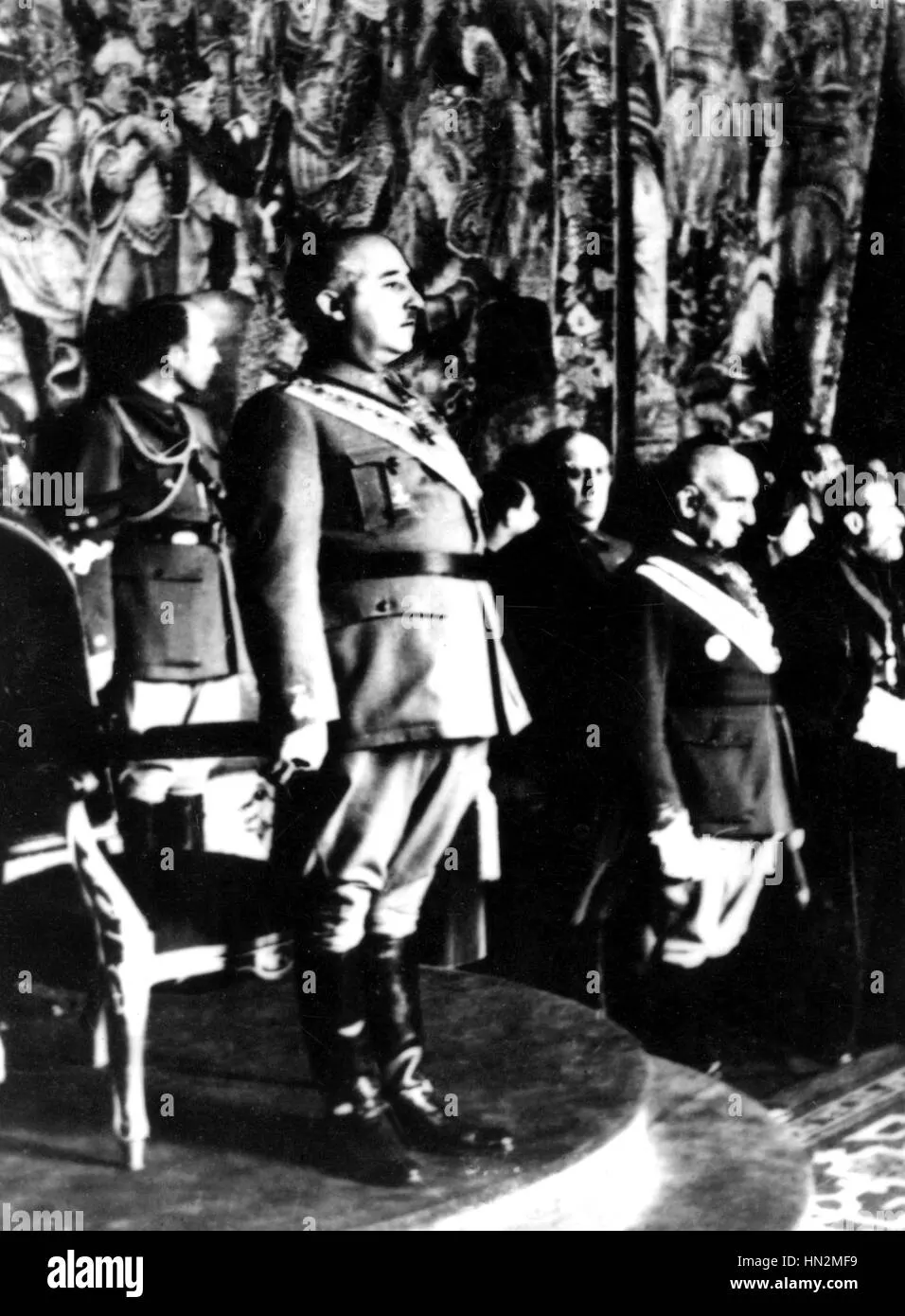 Photo: Francisco Franco, via c8.alamy.com
Spain's transition became the model for democratic change worldwide. Political scientists praised the "Spanish miracle"—a bloodless transformation from dictatorship to democracy accomplished through negotiation rather than revolution. But the miracle came with a price that wouldn't become clear for decades.
By 2008, when Spain finally attempted to confront Franco's legacy through historical memory laws, the networks that had supported the dictatorship had spent thirty years quietly rebuilding their influence. The amnesty that enabled democracy also preserved the infrastructure that could threaten it.
The Infrastructure of Oppression
Dictatorships don't operate through individual strongmen alone—they require vast networks of supporters, enablers, and beneficiaries. Secret police need informants. Military coups need civilian collaborators. Authoritarian governments need bureaucrats willing to implement oppressive policies and judges willing to legitimize them.
When these regimes fall, new democracies face a practical problem: they need functioning institutions immediately, but the only people with relevant experience are those who served the old system. The choice often comes down to pragmatic collaboration or administrative paralysis.
Chile's experience with Augusto Pinochet illustrates this dilemma perfectly. When democracy returned in 1990, Pinochet's supporters had negotiated immunity from prosecution, lifetime senate seats for former military officers, and constitutional provisions that protected their interests. The democratic government could govern, but only within limits set by the people they had supposedly defeated.
 Photo: Augusto Pinochet, via cdn.britannica.com
This wasn't weakness—it was realism. Chile's democratic leaders understood that attempting to prosecute Pinochet's network might trigger another military coup. The amnesty was insurance against democratic backsliding, even though it left authoritarian sympathizers in positions of power.
The South African Exception
South Africa's Truth and Reconciliation Commission appeared to offer a third way: acknowledgment of past crimes in exchange for amnesty, but only for those who fully confessed their actions. This model promised both justice and peace—perpetrators would face public accountability even if they avoided legal punishment.
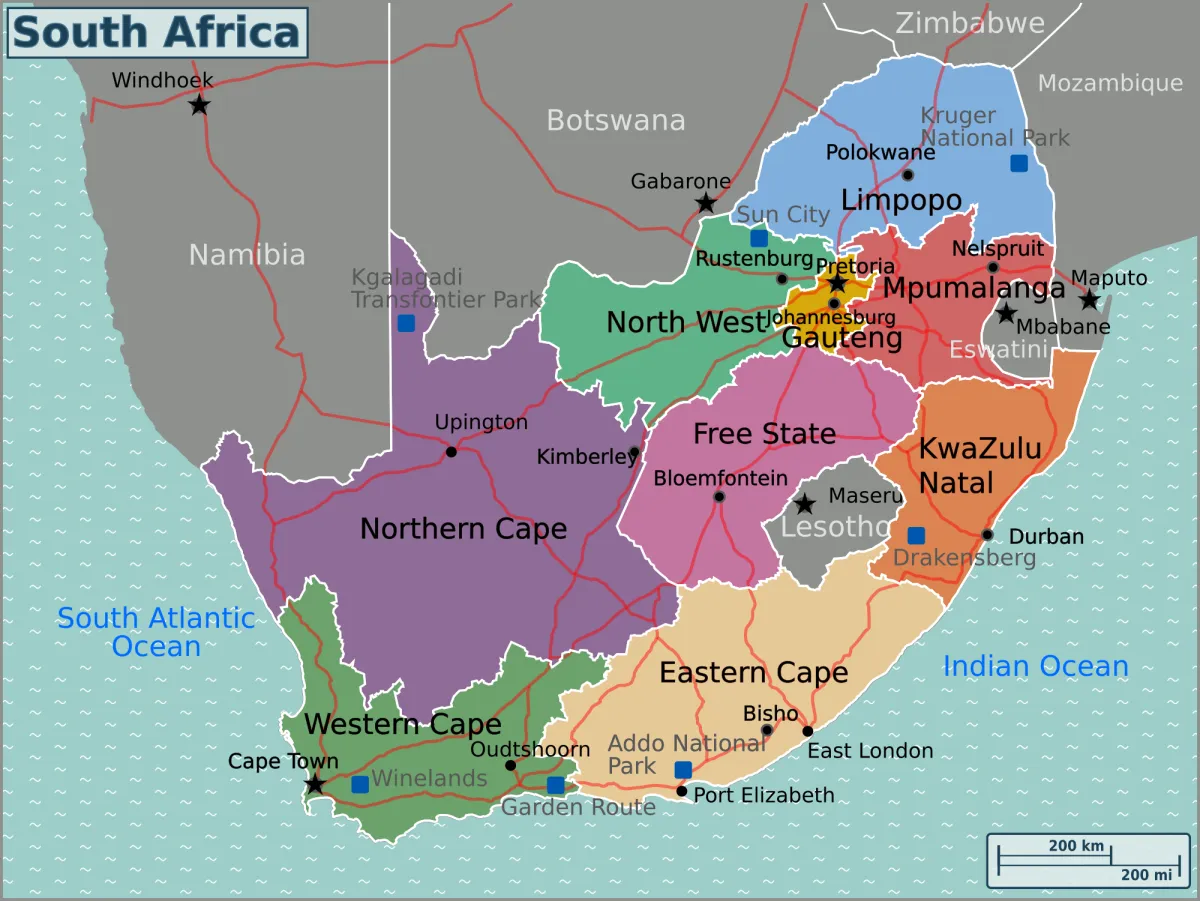 Photo: South Africa, via upload.wikimedia.org
The TRC succeeded in documenting apartheid's crimes and providing a platform for victims' stories. But it also revealed the limitations of confession-based amnesty. Many perpetrators either refused to participate or provided incomplete testimony. The apartheid security apparatus largely remained intact, with many of its personnel transitioning to positions in the new democratic government.
More troubling, the emphasis on reconciliation sometimes came at the expense of structural change. Former apartheid officials kept their pensions and positions while their victims received symbolic acknowledgment but limited material compensation. The moral accounting was impressive; the practical transformation was incomplete.
The American Preview
The United States has conducted this experiment twice, with remarkably similar results. After the Civil War, President Andrew Johnson's lenient approach to Confederate leaders allowed many to return to positions of power within a decade. The result was the systematic rollback of Reconstruction and the establishment of Jim Crow laws that lasted nearly a century.
Similarly, Gerald Ford's pardon of Richard Nixon was defended as necessary for national healing, but it established a precedent that presidents could escape accountability for constitutional violations. This precedent would be tested repeatedly in subsequent decades, with each controversy raising the stakes for future abuse of power.
Both cases demonstrate how amnesty, intended to prevent political crisis, can create the conditions for future crises by signaling that certain forms of wrongdoing will be forgiven rather than punished.
The Networks That Never Die
The most dangerous aspect of authoritarian amnesty isn't what it forgives—it's what it preserves. Dictatorships create extensive patronage networks that include not just officials but also business leaders, media figures, and civil society organizations that benefited from the old system.
These networks don't disappear when democracy arrives; they adapt. Former secret police become private security consultants. Military officers transition to civilian government positions. Propaganda specialists become political consultants or media executives. The skills that enabled authoritarianism find new applications in democratic politics.
Brazil's experience illustrates this pattern clearly. The military dictatorship that ended in 1985 negotiated a broad amnesty that protected both military officers and their civilian supporters. Many of these figures later became prominent in democratic politics, including several who would play key roles in the political crisis that led to Dilma Rousseff's impeachment in 2016.
The Patience of Reaction
Authoritarians understand that democracy's strength—its commitment to pluralism and legal process—is also its vulnerability. They don't need to immediately overthrow democratic institutions; they can work within them while gradually undermining their legitimacy and effectiveness.
This strategy requires patience, but authoritarian networks have time that democratic reformers often lack. While democratic governments face election cycles and must show immediate results, authoritarian sympathizers can spend decades building influence and waiting for opportunities.
The rise of "illiberal democracy" in countries like Hungary and Poland demonstrates how this patience can pay off. In both cases, parties with roots in the pre-democratic era used democratic processes to gradually dismantle democratic institutions from within.
The Justice Trap
Yet pursuing justice against former authoritarians carries its own risks. Argentina's experience in the 1980s shows how aggressive prosecution can backfire. When democratic governments attempted to try military officers for human rights violations, they faced multiple military uprisings that threatened the new democracy's survival.
The democratic government eventually had to pass amnesty laws anyway, but only after years of instability that weakened public confidence in democratic institutions. The pursuit of justice, however morally justified, had become a threat to the justice system itself.
This creates what we might call the justice trap: democracies that prosecute authoritarian crimes risk triggering authoritarian backlash, but democracies that grant amnesty risk enabling authoritarian resurgence.
Breaking the Cycle
History suggests several factors that can help new democracies escape this dilemma. The most important is time—the longer a democratic transition takes, the more opportunity there is to gradually replace authoritarian networks with democratic alternatives.
Germany's success in confronting its Nazi past was possible partly because the country was occupied for years after World War II, preventing former Nazis from immediately reasserting political influence. By the time Germany regained full sovereignty, a new generation of leaders had emerged with no connection to the old regime.
Institutional design also matters. Constitutional provisions that prevent rapid changes to democratic rules can limit the damage that former authoritarians can do even if they return to power. Independent judiciaries, strong civil society organizations, and free press can serve as guardrails that contain authoritarian influence.
The Long Game of Democracy
The amnesty trap reveals a fundamental tension in democratic politics: the short-term needs of democratic consolidation often conflict with the long-term requirements of democratic survival. New democracies need stability and legitimacy immediately, but they also need to prevent the return of authoritarian forces over time.
This tension cannot be resolved through constitutional engineering or institutional design alone. It requires sustained political commitment to democratic values across multiple generations. The price of democracy isn't just eternal vigilance—it's the willingness to pay the costs of that vigilance even when forgiveness seems cheaper.
The historical record is clear: mercy toward authoritarians may purchase temporary peace, but it often mortgages democratic future. The question for each generation is whether they're willing to pay the full price of justice, or whether they'll pass that bill on to their children.