The Translator's Silent Empire: How History's Most Invisible Players Moved Its Biggest Pieces

The Power Behind the Throne Spoke Two Languages
In 1519, when Hernán Cortés landed on the coast of Mexico with 500 conquistadors, his most valuable asset wasn't gunpowder or horses—it was a Mayan woman named Malintzin who spoke Nahuatl, the language of the Aztec Empire. Within two years, that linguistic bridge had facilitated the destruction of Tenochtitlan and the collapse of Montezuma's empire.
Malintzin didn't just translate words; she translated entire civilizations into terms the other could understand. And like every interpreter in history who found themselves between competing powers, she discovered that the person who controls the translation controls the relationship.
This dynamic—the extraordinary leverage wielded by seemingly powerless intermediaries—has shaped every major cross-cultural encounter for five millennia. While historians chronicle the decisions of emperors and generals, the real power often rested with the people whose names rarely made it into the official records.
The Dragoman's Dilemma
The Ottoman Empire perfected the art of institutional translation through the dragoman system—professional interpreters who served as cultural bridges between the Sublime Porte and foreign powers. These men (they were almost always men) possessed something more valuable than gold: the ability to make sense of one world to another.
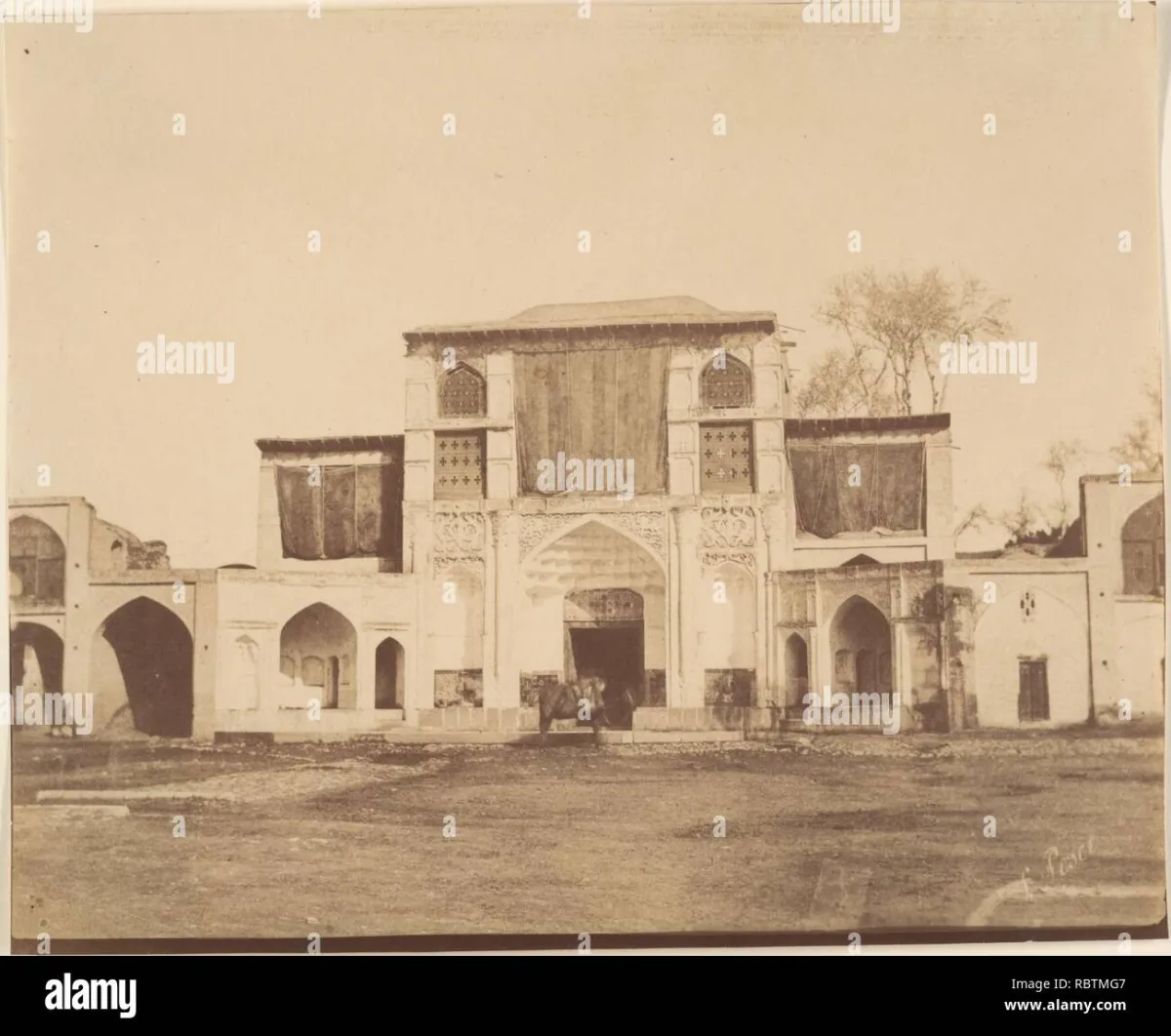 Photo: Sublime Porte, via c8.alamy.com
But the dragomans quickly learned that translation is never neutral. Every choice of word, every cultural explanation, every decision about what to include or omit in a diplomatic message could shift the balance between war and peace. The dragoman interpreting between a Habsburg ambassador and a Ottoman vizier wasn't just conveying information—he was shaping policy.
Archival records from the 18th century reveal how dragomans routinely "clarified" diplomatic messages in ways that advanced their own interests or those of their secret patrons. A harsh ultimatum might be softened to buy time for negotiations. A generous offer might be presented as barely adequate to extract additional concessions.
The European powers eventually caught on, but only after decades of being manipulated by men they considered mere servants.
The Colonial Middleman's Multiplication Table
British colonial administration created an entire class of cultural interpreters who became the real governors of empire. In India, the local munshis (secretaries) who helped British officers navigate regional politics often possessed more practical authority than their nominal superiors.
These intermediaries understood something their colonial masters never grasped: information asymmetry is power asymmetry. The British officer who couldn't read local languages or understand regional customs was entirely dependent on his interpreter's version of reality. And that version was inevitably shaped by the interpreter's own agenda.
The 1857 Indian Rebellion offers a perfect case study. British intelligence failed catastrophically because their Indian informants and interpreters had been feeding them carefully curated information for months. The uprising didn't surprise the interpreters—they had helped orchestrate it while maintaining perfect facades of loyalty to their British employers.
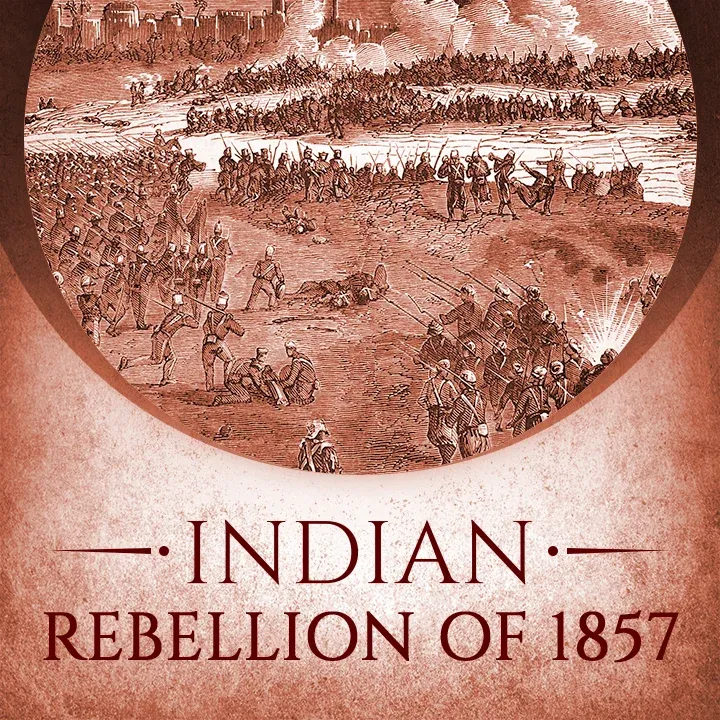 Photo: Indian Rebellion, via images.cdn.kukufm.com
When the East India Company finally investigated the intelligence failure, they discovered that their most trusted translators had been members of the conspiracy from the beginning. The rebellion succeeded initially not because of military superiority, but because of information warfare conducted by people the British never suspected.
The Modern Fixer's Ancient Game
America's post-9/11 wars in Iraq and Afghanistan reproduced this pattern with stunning precision. Local interpreters and cultural advisors—the modern equivalent of dragomans—quickly learned to manage their American clients' understanding of local realities.
U.S. military commanders who couldn't distinguish between tribal rivalries or sectarian affiliations became dependent on fixers who could. But these fixers had their own tribal loyalties, sectarian preferences, and family obligations. The intelligence they provided wasn't neutral reporting—it was advocacy wrapped in the language of objective analysis.
The pattern played out identically in both theaters: American forces would receive detailed briefings about local threats and opportunities, make strategic decisions based on that information, then discover months later that their interpreters had been advancing completely different agendas.
A Special Forces commander in Helmand Province might believe he was targeting Taliban leadership based on reliable local intelligence, only to learn that his Afghan interpreter had been using American firepower to settle personal vendettas or advance his tribe's territorial claims.
The Technology That Changes Nothing
Modern translation technology promised to eliminate the human interpreter's leverage, but it has only shifted the dynamic. Google Translate can handle basic communication, but cultural translation—the art of making one society comprehensible to another—remains stubbornly human.
Contemporary international business reproduces the ancient pattern. American corporations expanding into Asian markets discover that their local "cultural consultants" wield enormous influence over strategic decisions. These consultants don't just explain local customs; they shape how American executives understand entire markets.
The consultant who tells an American CEO that a particular business practice is "culturally inappropriate" in Japan or China isn't just providing information—they're making policy. And like their historical predecessors, these modern intermediaries often have undisclosed loyalties and agendas.
The Diplomatic Telephone Game
Every major diplomatic crisis in history includes a subplot about mistranslation or deliberate misrepresentation by interpreters. The run-up to World War I featured multiple instances where diplomatic messages were "clarified" by translators in ways that escalated tensions.
The famous "blank check" that Germany gave Austria-Hungary in 1914 went through several linguistic filters before reaching Vienna. Each interpreter added nuances that strengthened Austria's confidence in German support, even though the original German message was more cautious.
Similarly, the Japanese diplomatic messages before Pearl Harbor were translated in ways that convinced both sides that the other was more aggressive than they actually were. The interpreters weren't trying to start a war—they were trying to make themselves indispensable by making the situation seem more complex than it was.
Why the Pattern Persists
The historical record reveals why this dynamic never changes: language is culture, and culture is power. The person who can authentically navigate between two cultures doesn't just possess a useful skill—they control access to entire worlds.
Every empire has tried to eliminate this dependency by training their own people in local languages and customs. Every empire has failed, because true cultural fluency requires lifetime immersion that foreign administrators can rarely achieve.
The Roman legionnaire who spent five years in Gaul might learn enough Celtic to give basic orders, but he would never understand the tribal politics that determined whether those orders would be obeyed. For that, he needed a local intermediary—who inevitably had his own tribal loyalties.
The Invisible Kingmakers
The most successful intermediaries in history have been those who made themselves seem most dispensable while becoming most essential. They cultivated reputations for loyalty and transparency while quietly building networks of influence that spanned multiple power centers.
Malintzin didn't just help Cortés communicate with Aztec nobles—she helped various Aztec factions communicate with each other in ways that served her vision of the post-conquest future. She wasn't simply translating between Spanish and Nahuatl; she was orchestrating a civilizational transition.
The historical pattern is clear: in any cross-cultural encounter, the interpreter's agenda ultimately becomes the outcome. The conquerors might claim credit, but the translators write the script.
The Record's Recognition
Five millennia of imperial expansion and cultural collision teach the same lesson: whoever controls the translation controls the relationship. The interpreter's power is invisible precisely because it's indispensable.
Modern diplomatic corps have learned to use multiple translators and independent verification, but they haven't eliminated the fundamental dynamic. They've just made it more sophisticated.
The next time a major international crisis emerges from "miscommunication," look for the interpreters. They're usually the only ones who understand exactly what happened—and why it happened that way.