When the Levees Break, Power Flows: The Ancient Politics of Catastrophe
The Pharaoh's Flood Manual
When the Nile failed to flood in the third year of Pharaoh Djoser's reign around 2670 BCE, Egypt faced famine. But Djoser also faced opportunity. The crisis allowed him to centralize grain distribution, eliminate local autonomy, and establish the precedent that survival depended on royal favor. By the time the floods returned, Egypt had been transformed from a collection of semi-independent regions into a unified state where the pharaoh controlled life and death.
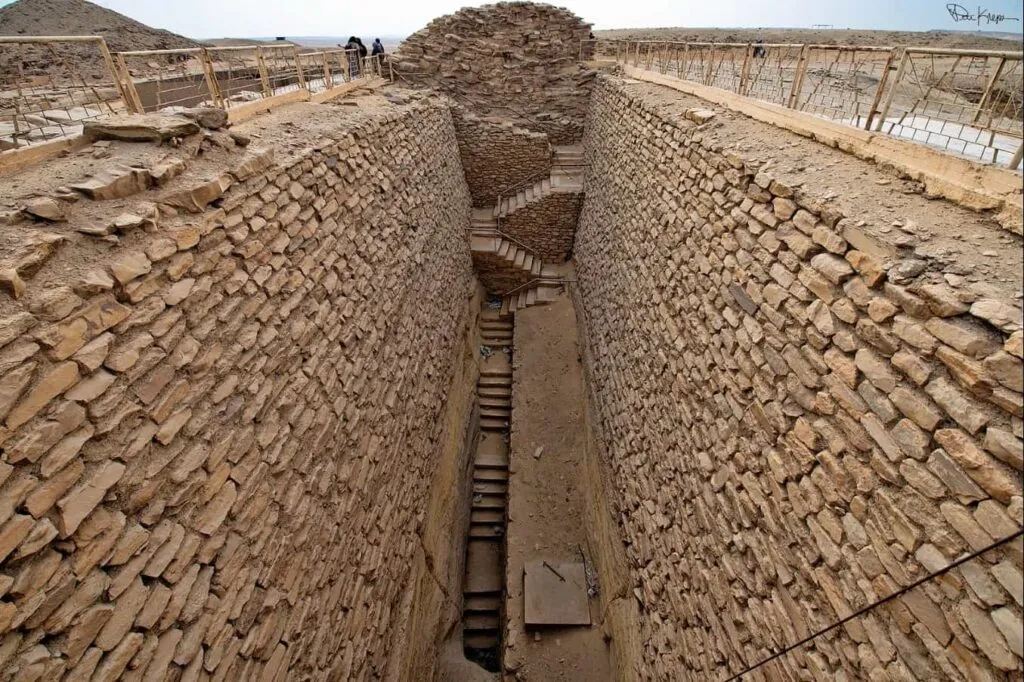 Photo: Pharaoh Djoser, via historicaleve.com
This represents perhaps the earliest recorded example of a pattern that has repeated across cultures and millennia: natural disasters don't just destroy infrastructure and claim lives. They create political openings that astute rulers have exploited with remarkable consistency. The playbook Djoser pioneered—delay response, control relief, reward loyalty, punish opposition—remains in use today.
The Eternal Emergency Playbook
Step one: delayed response. When disaster strikes, effective leaders don't rush to help. They pause, assess the political landscape, and determine which communities deserve rapid assistance and which can wait. This isn't mere callousness; it's strategic calculation. Communities that vote correctly receive swift aid and grateful coverage. Those that don't learn that elections have consequences.
Step two: centralized control. Emergency powers flow upward, always. Local officials who might normally resist federal overreach find themselves dependent on resources only the central authority can provide. Temporary command structures become permanent bureaucracies. Crisis management offices discover they have peacetime functions.
Step three: selective generosity. Relief efforts become political theater. Cameras follow aid to friendly districts while hostile regions receive help quietly, belatedly, or with conditions attached. The message becomes clear: loyalty brings comfort, opposition brings suffering.
Step four: manufactured gratitude. Victims who receive aid must publicly thank their benefactors. Press conferences feature grateful families praising leadership that, in many cases, contributed to their vulnerability through previous policy choices. The disaster becomes proof of governmental competence rather than failure.
When Rome Burned
The Great Fire of 64 CE consumed two-thirds of Rome, leaving hundreds of thousands homeless. Emperor Nero's response followed the ancient script perfectly. He delayed returning from his villa, allowing the fire to spread while he assessed the political implications. When he finally acted, Nero provided lavish relief—but only after seizing vast tracts of burned land for his personal palace complex.
Most brilliantly, Nero redirected blame toward an unpopular minority: the Christians. This early example of scapegoating during crisis response served multiple purposes. It deflected criticism from Nero's delayed response, unified Romans against a common enemy, and provided justification for broader persecution. The fire became not a failure of leadership but proof that Rome needed stronger, more decisive authority.
The Politics of Medieval Plague
When the Black Death swept through Europe in the 14th century, killing perhaps one-third of the population, political responses followed predictable patterns. Kings who moved quickly to quarantine ports and organize medical responses saw their authority strengthened. Those who fled or responded ineffectively faced rebellions and depositions.
More tellingly, the plague accelerated existing political trends. In England, it strengthened parliamentary power as kings needed legislative support for unprecedented emergency measures. In France, it reinforced royal absolutism as nobles proved incapable of coordinating effective responses. The same catastrophe produced opposite political outcomes depending on which forces were best positioned to exploit the crisis.
American Disasters, American Politics
The United States has generated its own rich tradition of disaster politics. The 1906 San Francisco earthquake allowed political reformers to rebuild city government along progressive lines, eliminating corruption that had seemed permanent. The 1927 Mississippi River flood solidified federal authority over waterways while demonstrating that local governments couldn't handle regional catastrophes.
 Photo: San Francisco, via farm5.staticflickr.com
More recently, Hurricane Katrina in 2005 revealed how disaster response reflects existing political priorities. The delayed federal response to predominantly African American neighborhoods contrasted sharply with rapid assistance to whiter, wealthier areas. The storm didn't create these disparities—it exposed them under conditions where the usual political cover had been stripped away.
The Psychology of Catastrophic Politics
Why do populations consistently accept political transformation during disasters that they would resist under normal circumstances? Five thousand years of human behavior reveals several consistent patterns.
First, crisis creates dependency. When normal support systems collapse, people become grateful for any assistance, regardless of its political cost. A family whose home has been destroyed doesn't question the ideology of those providing shelter.
Second, emergency justifies everything. Measures that would seem authoritarian during peacetime appear reasonable when framed as disaster response. Civil liberties become luxuries that functioning societies can afford but desperate populations cannot.
Third, suffering demands explanation. Random catastrophe is psychologically unbearable; political catastrophe at least implies that someone is in control. Populations often prefer conspiracy theories to chaos theories because malevolent competence is less terrifying than benevolent randomness.
The Flood That Never Ends
Perhaps most importantly, the political changes implemented during disasters rarely disappear when the emergency passes. Bureaucracies created to manage floods develop expertise in managing other crises. Powers granted temporarily become permanent fixtures. Officials who proved their worth during catastrophes retain influence long after the waters recede.
This institutional persistence explains why savvy political leaders sometimes seem insufficiently concerned about preventing disasters. Why build better levees when broken levees create opportunities? Why strengthen building codes when collapsed buildings justify expanded authority?
The Unchanging Script
From ancient Egypt to modern America, the fundamental dynamics remain identical. Disasters create political opportunities that astute leaders exploit through delayed response, centralized control, selective generosity, and manufactured gratitude. The technology changes—pharaohs used grain stores, presidents use FEMA—but the psychology remains constant.
This pattern suggests a sobering conclusion about human nature and political power. We are not becoming more enlightened about disaster response; we are becoming more sophisticated about disaster exploitation. The flood may be just a flood, but the politics of floods are eternal.