The Warrior Comes Home: Five Millennia of Societies Failing the People They Sent to Fight
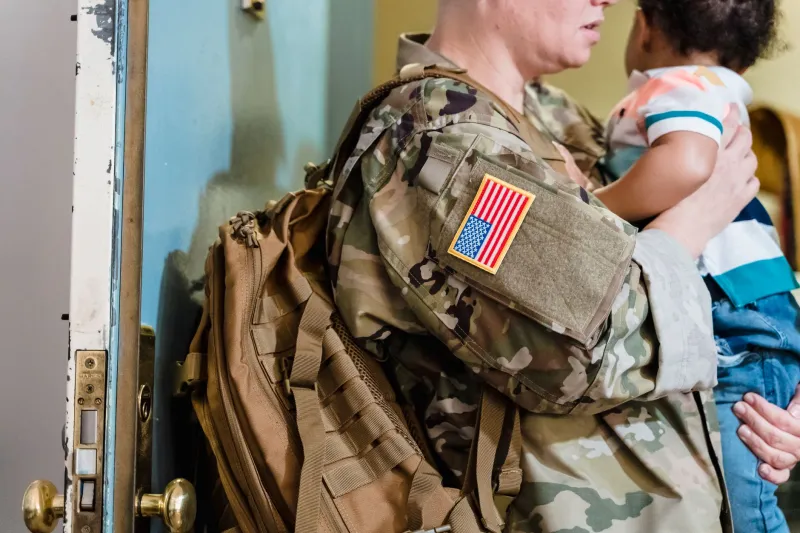
Somewhere in the administrative records of ancient Mesopotamia, there are complaints about veterans. Not in those words, of course — the terminology changes with every civilization — but the underlying problem is the same one that appears in Roman land records, in the pension disputes of post-Revolutionary America, in the bonus marches of the 1930s, and in the Veterans Affairs backlogs of the twenty-first century. A society trains men to kill, sends them somewhere terrible, and then discovers, when they return, that it has no coherent plan for what comes next.
The consequences of this failure have not been minor. They have, on multiple occasions, ended republics.
Sulla's Lesson
The transformation of the Roman Republic into something that would eventually become the Empire did not begin with Julius Caesar. It began, arguably, with the reforms of Gaius Marius in the late second century BC, when Rome professionalized its army by opening military service to men who owned no property — the capite censi, or head count. Before Marius, Roman soldiers were citizens with farms to return to. After him, they were professionals whose economic survival depended entirely on their general's ability to secure them land grants and discharge bonuses upon demobilization.
The state never adequately assumed that obligation. The generals did. And when Lucius Cornelius Sulla marched his legions on Rome in 88 BC — the first time a Roman commander had turned a Roman army against the Roman state — he was able to do so in part because those soldiers' loyalty ran to the man who had promised to look after them, not to the abstract republic that had consistently failed to do so.
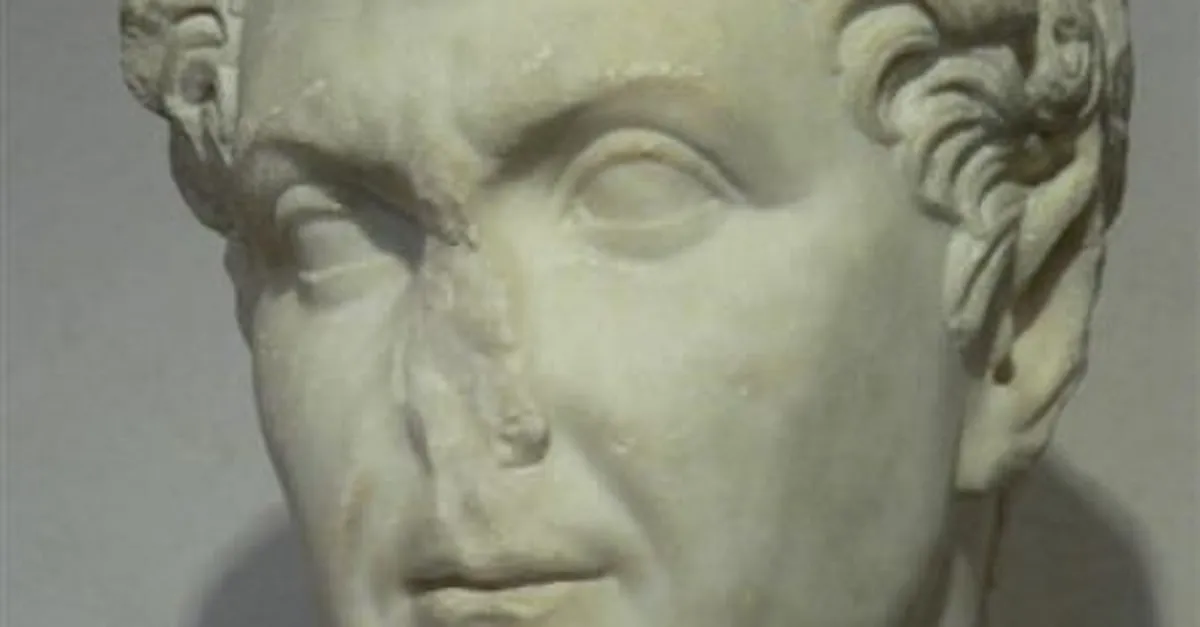 Photo: Lucius Cornelius Sulla, via www.worldhistory.org
This was not an accident of personality. It was a structural consequence of a society that had built a professional warrior class without building the institutions necessary to reabsorb it.
The Psychological Architecture of Combat
Human psychology has not changed in five thousand years. The neurology of someone who has experienced prolonged violence, the social dislocation of returning to a civilian world that cannot fully comprehend what they have been through, the combination of specialized competence and sudden purposelessness — these are not conditions unique to any era. They are features of the human animal placed in a particular set of circumstances.
Ancient sources from cultures as different as Greece, China, and Mesoamerica contain recognizable descriptions of what we would today call post-traumatic stress. The Greek historian Herodotus described the Athenian soldier Epizelus, who lost his sight at Marathon without physical injury after witnessing the death of a comrade — a psychosomatic response that Herodotus found sufficiently credible to record. The Chinese military theorist Sun Tzu's insistence on treating soldiers well was not merely humanitarian; it reflected a sophisticated understanding that men who felt dishonored or abandoned were a danger to their own commanders.
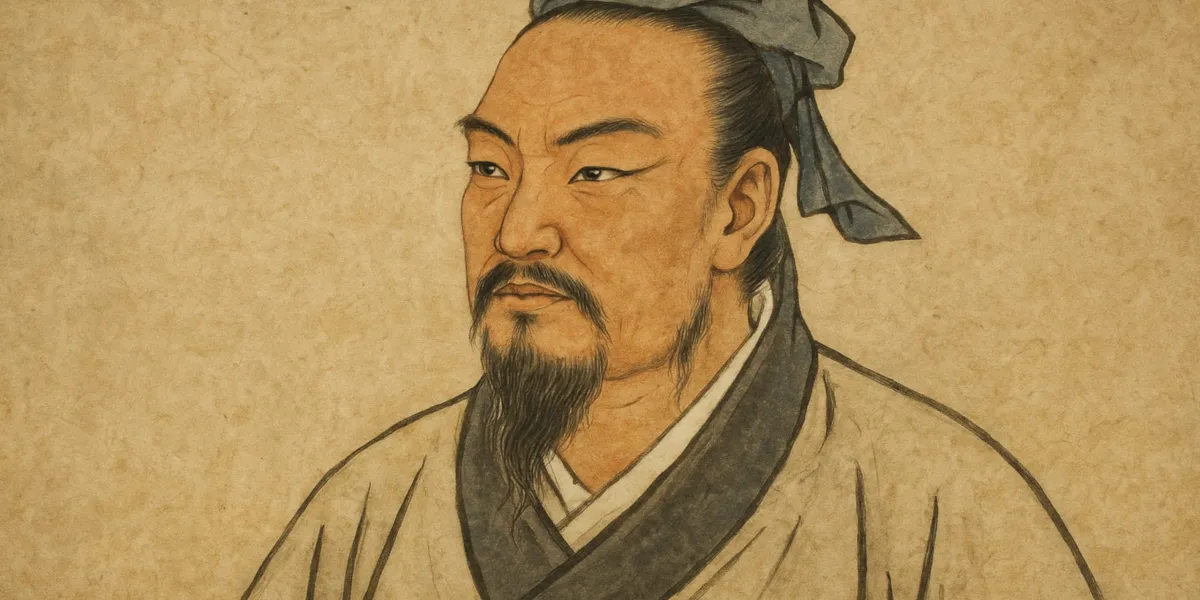 Photo: Sun Tzu, via sevenswords.uk
The modern clinical framework is new. The underlying human experience is not.
The American Pattern
The United States has cycled through this problem with remarkable consistency since its founding. The Continental Army's veterans returned from the Revolutionary War to find that their promised pay had been replaced with nearly worthless certificates. The resulting frustration contributed directly to Shays' Rebellion in 1786 and 1787, an armed uprising by Massachusetts farmers — many of them veterans — that alarmed the founders sufficiently to accelerate the push for a stronger federal constitution.
The pattern recurred after every major conflict. Civil War veterans, many of them physically and psychologically damaged, found a society unprepared to receive them. The Grand Army of the Republic eventually became a formidable political lobbying organization, extracting pension benefits through electoral pressure rather than through any coherent government policy. World War I veterans who marched on Washington in 1932, demanding early payment of bonuses Congress had promised them, were dispersed by active-duty Army units under the command of Douglas MacArthur — a spectacle that horrified much of the country and contributed to the political conditions that swept Franklin Roosevelt into office.
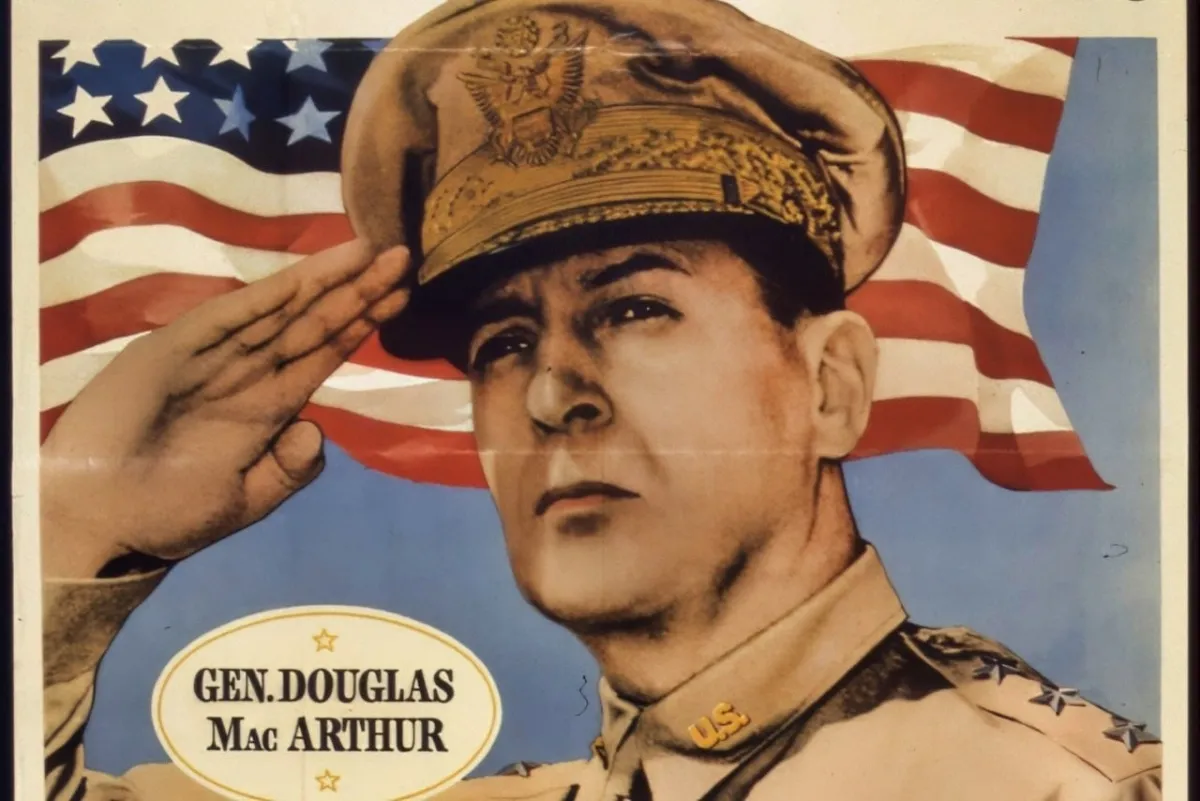 Photo: Douglas MacArthur, via www.19fortyfive.com
The GI Bill of 1944 represented the closest the United States has come to a systematic answer to the returning soldier problem. Its effects — on educational attainment, homeownership, and the construction of the postwar middle class — were transformative precisely because they addressed the reintegration challenge structurally rather than symbolically. The contrast with the treatment of Vietnam veterans, who returned to a fractured society with no equivalent institutional support and considerable social hostility, is instructive. The political radicalization of a significant portion of that cohort, in both leftward and rightward directions, was not a mystery. It was a predictable outcome.
The Combustibility Factor
What makes the returning soldier problem politically significant — rather than merely a humanitarian concern — is the specific combination of attributes that military service tends to produce: organizational capacity, physical capability, tactical thinking, group cohesion, and a well-developed sense of having been either honored or betrayed by the state. Veterans who feel that the society they served has treated them with indifference or contempt do not typically respond with passive resignation. They respond with organization.
The historical examples of veteran-led political movements span the ideological spectrum. The Italian arditi — shock troops returning from World War I to an economy that could not absorb them — formed the core of the early Fascist movement. The post-World War I German Freikorps were recruited heavily from veterans who could not reintegrate and provided both the personnel and the paramilitary culture that fed the Nazi movement. On the other end of the spectrum, veterans' organizations in postwar America have been among the most durable civic institutions in the country, channeling the same organizational energy toward democratic rather than authoritarian ends.
The difference between these outcomes was not a matter of individual character. It was a matter of what the society offered when the soldiers came home.
What Five Millennia Suggest
The record is consistent enough to function as a prediction: societies that invest seriously in veteran reintegration tend to maintain political stability. Those that treat it as an afterthought, or that address it purely through rhetoric rather than through material support and social recognition, tend to find that the problem does not disappear. It simply changes form.
A warrior class that feels abandoned does not demobilize psychologically simply because it has demobilized militarily. The skills, the networks, the grievances, and the organizational habits remain. History's recurring lesson is that these assets will be deployed somewhere. The only real question is whether the republic will be the beneficiary or the target.