Stone Tablets to Smartphone Screens: The Unchanging Psychology Behind Changing Media

The Assyrian Algorithm
In 681 BCE, King Sennacherib of Assyria erected massive stone reliefs throughout his empire depicting his victories over rebellious cities. These weren't historical records—they were psychological warfare designed to discourage resistance through carefully curated imagery. Citizens walking through Nineveh saw the same message repeated across dozens of panels: resistance is futile, the king is invincible, your neighbors have already submitted.
 Photo: King Sennacherib of Assyria, via ecdn.teacherspayteachers.com
Replace stone with pixels, and Sennacherib's propaganda strategy would be instantly recognizable to any modern political consultant. The technology has evolved from chisels to algorithms, but the fundamental approach remains unchanged: control the narrative by controlling what people see, and control what people see by understanding what they want to believe.
The Printing Press Paradox
When Johannes Gutenberg perfected movable type around 1440, humanist scholars predicted a golden age of enlightenment. Cheap books would democratize knowledge, break the Church's monopoly on information, and create a more educated citizenry. Within fifty years, the same printing presses were mass-producing witch-hunting manuals and anti-Semitic pamphlets.
 Photo: Johannes Gutenberg, via i.pinimg.com
The Protestant Reformation demonstrated both the promise and peril of new media. Martin Luther's 95 Theses spread across Europe faster than any previous document in human history, challenging centuries of religious orthodoxy. But the same technology that enabled theological debate also enabled the distribution of increasingly extreme and polarizing content. By 1550, Protestant and Catholic pamphleteers were producing what we would now recognize as early forms of propaganda—simplified messages designed to inflame rather than inform.
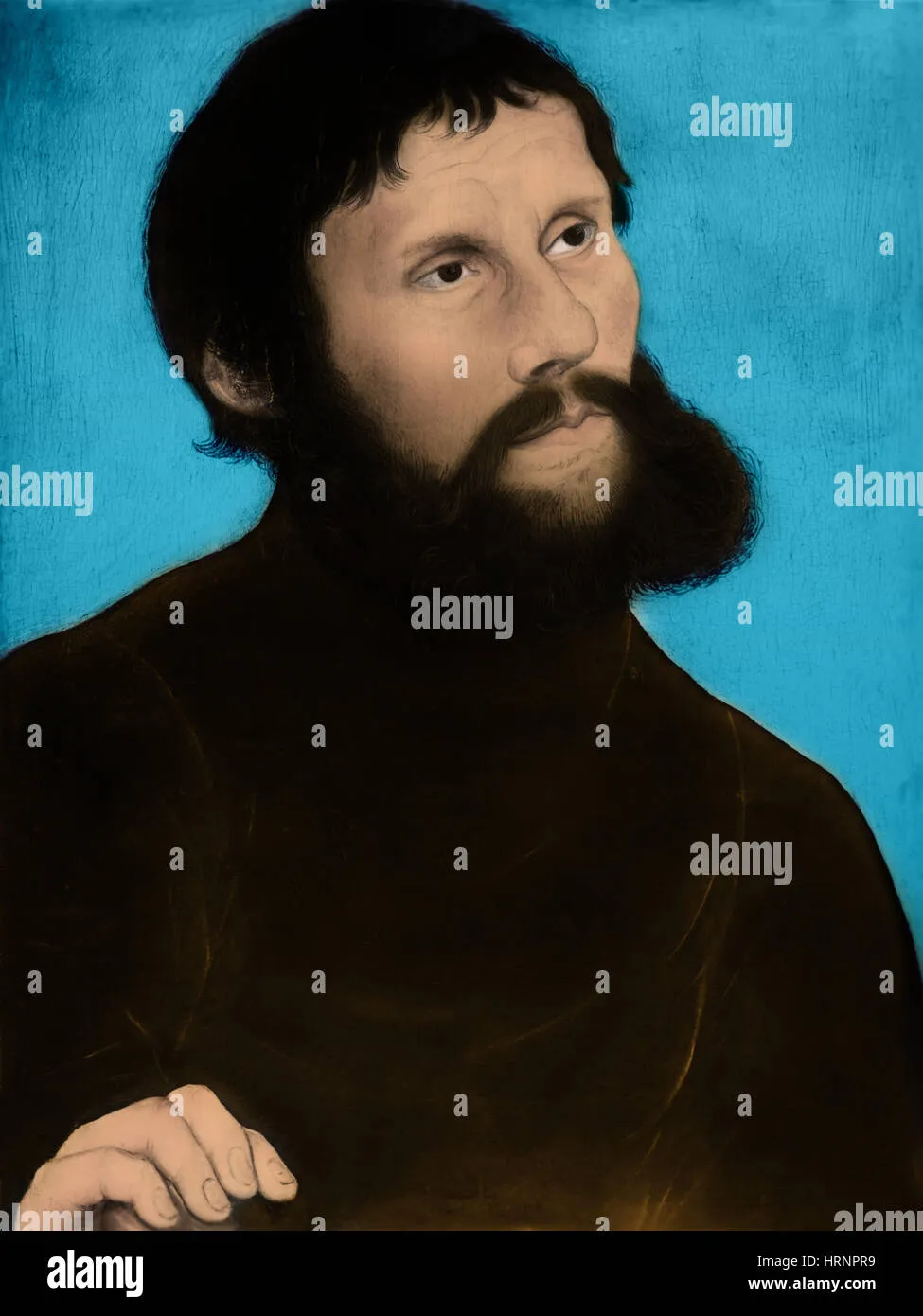 Photo: Martin Luther, via c8.alamy.com
This pattern reveals something crucial about human psychology and information consumption. People don't seek truth; they seek confirmation. The printing press didn't create more rational discourse—it created more efficient ways to distribute the biases people already held.
Radio Days and Television Nights
The 20th century provided two perfect case studies in how new media gets colonized by political power. Radio, initially hailed as a democratizing force that would bring education and culture to the masses, became the backbone of both Nazi Germany and Stalinist Russia's propaganda systems. The same technology that broadcast symphonies also broadcast hate.
Franklin Roosevelt's fireside chats demonstrated radio's potential for intimate political communication, but Father Charles Coughlin's broadcasts showed how the same medium could spread conspiracy theories and anti-Semitism to millions of Americans. The technology was neutral; the psychology it exploited was ancient.
Television followed the same trajectory. Early advocates predicted that visual media would make political discourse more honest—politicians couldn't hide behind rhetoric when voters could see their faces. Instead, television created the modern political consultant industry, focused entirely on image management and emotional manipulation. The Kennedy-Nixon debates of 1960 marked the moment when American politics became primarily about performance rather than policy.
The Internet's Broken Promises
The early internet carried the same utopian hopes as every previous communication revolution. Decentralized networks would prevent any single authority from controlling information. Global connectivity would create mutual understanding between cultures. Free access to unlimited information would produce the most educated electorate in human history.
By 2016, these same networks were distributing fabricated news stories that reached millions of Americans before fact-checkers could respond. Foreign governments were using social media platforms to influence democratic elections. The "information superhighway" had become a maze of filter bubbles and echo chambers.
The problem wasn't the technology—it was the same psychological vulnerabilities that Assyrian kings and medieval pamphleteers had exploited. People still preferred simple explanations to complex ones, enemies to nuance, and confirmation to contradiction. The internet simply made it easier to find exactly the version of reality each person wanted to consume.
The Algorithm Is the Message
Today's social media platforms represent the most sophisticated information delivery systems in human history. They can micro-target messages based on psychological profiles derived from millions of data points. They can test thousands of variations of the same message to find the most persuasive version. They can predict what content will generate engagement before users even see it.
Yet despite this technological sophistication, the content that performs best on these platforms would be familiar to any ancient propagandist: simple moral frameworks, clear villains and heroes, emotional appeals over logical arguments, and the promise that complex problems have simple solutions.
The algorithm doesn't create these preferences—it reveals them. Human beings have always been drawn to information that confirms their existing beliefs and emotional states. The difference is that modern technology can identify and exploit these preferences with unprecedented precision.
The Eternal Format War
Each generation believes its information environment is uniquely corrupted, but the pattern is remarkably consistent across millennia. New technology emerges with democratic promise. Early adopters use it for education and enlightenment. Within decades, the same technology becomes a tool for manipulation and control. The cycle repeats with each innovation.
This isn't because technology is inherently corrupting, but because human psychology is remarkably stable. We want to believe in heroes and villains rather than complex systems. We prefer information that makes us feel smart rather than information that challenges our assumptions. We seek tribal belonging over individual truth.
The town crier, the printing press, radio, television, and social media all succeeded for the same reason: they gave people what they wanted to hear in the format they were ready to receive. The technology changes; the psychology remains constant.
Lessons for the Digital Age
Understanding this pattern doesn't require cynicism about human nature or technological progress. Instead, it suggests that media literacy should focus less on identifying "fake news" and more on recognizing the psychological triggers that make any information appealing.
The citizen who understands why Assyrian stone carvings were effective propaganda is better equipped to evaluate modern political advertising. The person who recognizes how radio enabled both Roosevelt's leadership and Coughlin's demagoguery can better navigate today's podcast ecosystem.
Most importantly, this historical perspective suggests that the solution to information manipulation isn't better technology—it's better psychology. Teaching people to recognize their own cognitive biases is more valuable than teaching them to identify manipulated content.
The Next Medium
Whatever communication technology emerges next—virtual reality, brain-computer interfaces, or something not yet imagined—will follow the same pattern. Early adopters will promise democratic revolution. Within a generation, the same psychological patterns will reassert themselves in the new medium.
The only variable is whether we'll learn from five thousand years of evidence about how these transitions work. The technology will change, but the human psychology it encounters will remain remarkably, perhaps tragically, consistent.
The town square has always had a town crier. The message has always been the same: believe what makes you feel powerful, fear what threatens your tribe, and trust that someone else has simple answers to complex questions. Only the amplification system evolves.