The Dictator's Desperate Need for Applause: Why Absolute Power Demands Constant Validation

The Paradox of Powerful Insecurity
Augustus Caesar controlled the most powerful military machine in human history, commanded the loyalty of thirty legions, and held the power of life and death over fifty million people. Yet he spent decades carefully crafting his public image, commissioning poets to celebrate his achievements, and writing his own autobiography to ensure future generations would understand his greatness. For a man who could execute senators on a whim, he seemed remarkably concerned with what people thought about him.
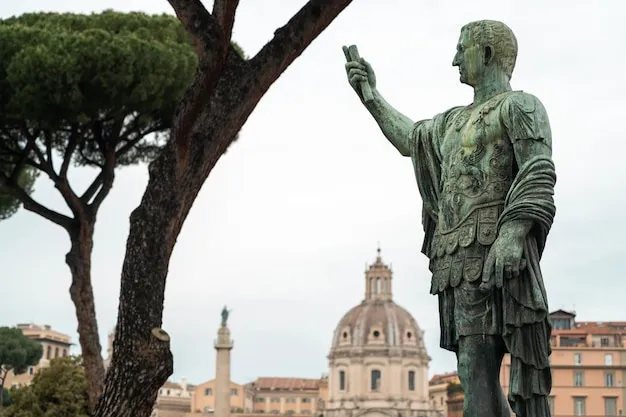 Photo: Augustus Caesar, via img.freepik.com
This paradox appears throughout recorded history with such consistency that it reveals something fundamental about human political psychology. The more absolute a ruler's power becomes, the more desperately they seem to need everyone to agree that they deserve it. Force can compel obedience, but it cannot compel genuine approval—and rulers across five millennia have demonstrated that genuine approval is what they actually crave.
Consider Stalin, who could have simply ruled through terror but instead maintained an elaborate propaganda apparatus that portrayed him as the beloved father of the Soviet people. Or Mao, who possessed the military strength to crush any opposition but still felt compelled to launch the Cultural Revolution to ensure that even private thoughts aligned with his vision. The most powerful dictators in history have also been its most prolific explainers.
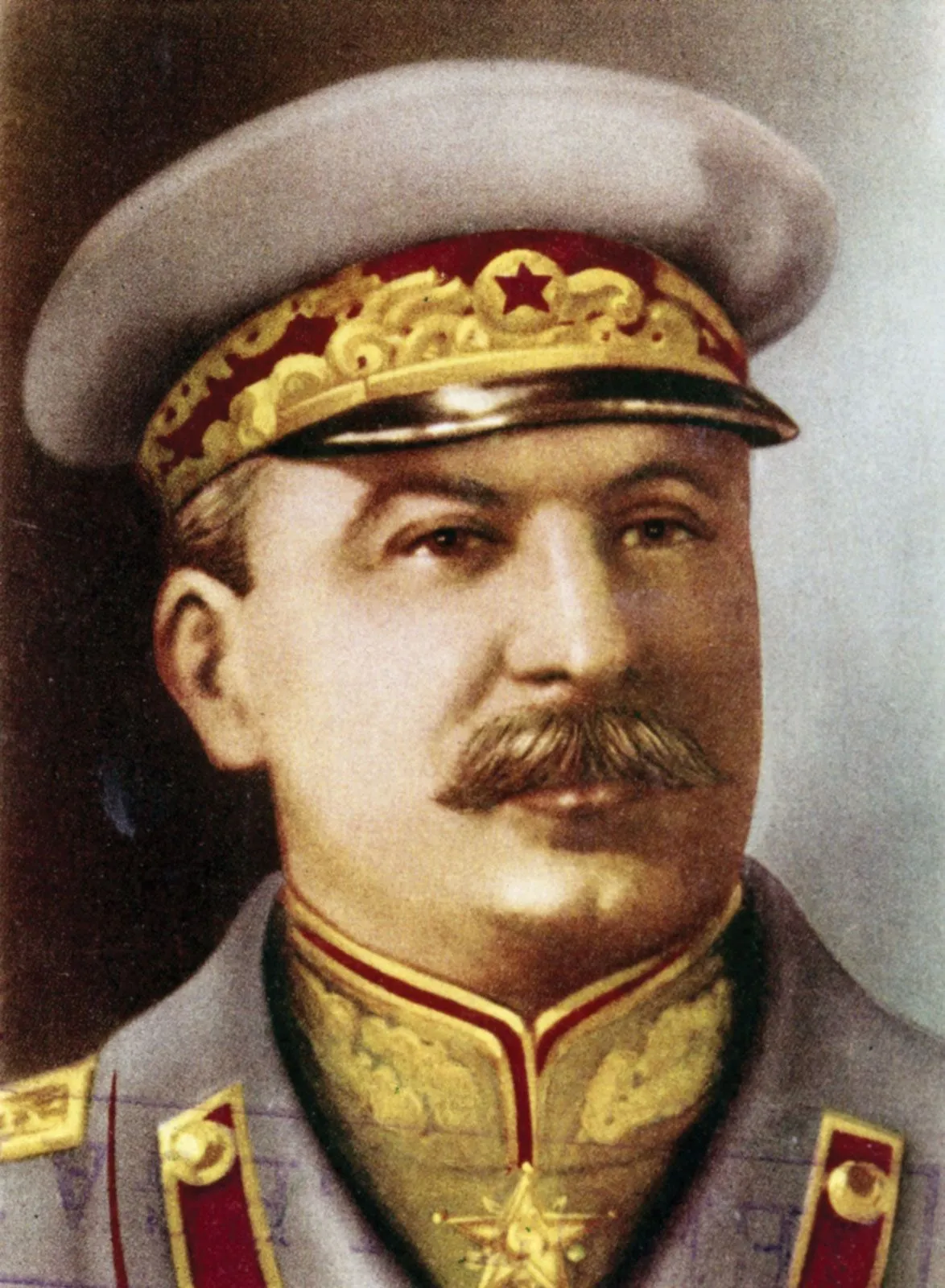 Photo: Stalin, via cdn.britannica.com
The Ancient Art of Narrative Control
Long before Twitter and state television, rulers understood that controlling the story was as important as controlling the army. Egyptian pharaohs covered temple walls with hieroglyphic accounts of their divine authority and military victories. Roman emperors sponsored epic poems that cast their conquests as civilizing missions rather than resource grabs. Chinese emperors developed elaborate theories about the Mandate of Heaven that explained why their rule served cosmic purposes.
These weren't just vanity projects—they were essential tools of governance. Raw coercion is expensive and unstable. Soldiers who believe they're serving a righteous cause fight harder than mercenaries collecting paychecks. Administrators who think they're implementing divine will work more efficiently than bureaucrats just following orders. Citizens who accept their ruler's legitimacy cause fewer problems than subjects held in line only by fear.
The most successful authoritarian rulers have always understood that sustainable power requires voluntary submission, not just forced compliance. This means they must constantly justify their authority using whatever communication technologies and cultural frameworks their societies provide.
The Modern Megaphone Effect
Contemporary authoritarian leaders have access to communication tools that would make Augustus weep with envy, and they use them with predictable enthusiasm. Vladimir Putin's media apparatus produces a constant stream of content justifying Russian foreign policy and domestic repression. Xi Jinping's propaganda machine floods Chinese social media with explanations for why Communist Party rule serves the people's interests. Even local strongmen in developing countries maintain Facebook pages and YouTube channels dedicated to explaining their benevolent intentions.
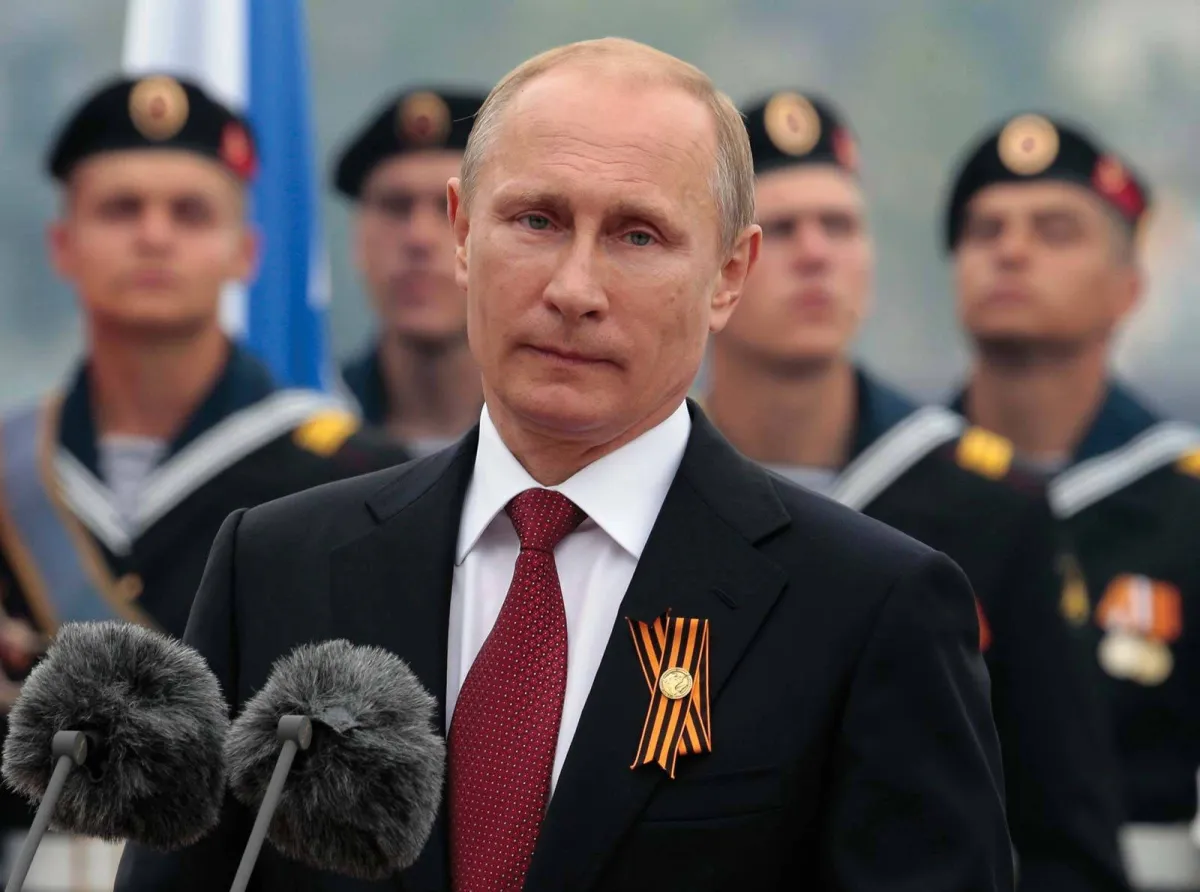 Photo: Vladimir Putin, via wallpapers.com
The internet has democratized propaganda production while amplifying its volume exponentially. Where ancient rulers needed to commission expensive monuments or sponsor court poets, modern autocrats can broadcast their narratives directly to millions of people at virtually no cost. The result is an information environment saturated with authoritarian self-justification.
Donald Trump's Twitter presidency illustrated this pattern perfectly. Despite controlling the executive branch of the world's most powerful government, he spent enormous energy crafting tweets that explained why his decisions were brilliant and his critics were wrong. The platform gave him direct access to his supporters without media intermediation, but he used that access primarily to justify himself rather than simply command obedience.
The Psychology of Illegitimate Authority
This compulsive self-justification reveals a crucial vulnerability in authoritarian systems: rulers who truly believed in their own legitimacy wouldn't need to explain it so constantly. The very intensity of their propaganda efforts suggests deep insecurity about whether their authority rests on genuine consent or mere force.
Psychologists have documented this pattern in smaller-scale authority relationships. Managers who gain power through office politics rather than competence tend to over-explain their decisions and seek constant validation from subordinates. Parents who rely primarily on punishment rather than respect find themselves endlessly justifying household rules. The same dynamic operates at the scale of nations.
This creates a strategic opportunity for opposition movements. Authoritarian rulers who feel secure in their legitimacy tend to ignore criticism or dismiss it briefly. Rulers who feel insecure about their legitimacy cannot resist responding to every challenge, often at great length. Their defensive responses reveal which criticisms hit closest to home and provide roadmaps for future opposition strategies.
The Limits of Manufactured Consent
Despite their sophisticated propaganda apparatus, modern authoritarian rulers face the same fundamental challenge as their ancient predecessors: they cannot actually manufacture genuine legitimacy through communication alone. They can create the appearance of popular support through controlled media, staged rallies, and social media manipulation, but they cannot create the underlying conditions that generate authentic consent.
This explains why even the most successful authoritarian regimes remain vulnerable to sudden collapse when their propaganda narratives lose credibility. The Soviet Union's information control seemed absolute until it suddenly wasn't. The Shah of Iran's modernization narrative appeared compelling until revolutionary alternatives gained traction. Ben Ali's Tunisian regime looked stable until a fruit vendor's self-immolation revealed the gap between official stories and lived reality.
The Digital Age Amplification
Social media has intensified both the opportunities and vulnerabilities of authoritarian propaganda. Platforms like Twitter and Facebook allow rulers to bypass traditional media gatekeepers and speak directly to their supporters. But these same platforms also enable rapid organization of opposition movements and viral spread of counter-narratives.
The result is an arms race between authoritarian message control and democratic information sharing that plays out in real time across global communication networks. Rulers invest enormous resources in bot armies, troll farms, and algorithmic manipulation while opposition movements develop new techniques for circumventing censorship and spreading alternative narratives.
The Eternal Need for Legitimacy
Five thousand years of recorded history suggest that no amount of military power or technological sophistication can eliminate the human need for legitimate authority. Rulers who rely purely on force remain constantly vulnerable to challenges from anyone who can offer a more compelling narrative about why they deserve to govern.
This creates a permanent tension in authoritarian systems between the efficiency of command and the necessity of consent. The most successful dictators have always been those who mastered both the sword and the story. But the very effort required to maintain both reveals the underlying weakness of any system that depends on one person's will rather than institutional legitimacy.
Understanding this pattern provides crucial insight into contemporary political dynamics. When leaders spend excessive time explaining why they deserve power rather than simply exercising it effectively, they're revealing doubts about their own legitimacy that opposition movements can exploit. The dictator's desperate need for applause remains their most predictable vulnerability.