Numbers Don't Lie, But Counters Do: The Five-Thousand-Year History of Weaponized Demographics

The Assyrian Innovation
In the 8th century BCE, the Assyrian Empire pioneered what would become the most enduring tool of political control: the systematic enumeration of conquered populations. Their cuneiform tablets, discovered in the ruins of Nineveh, reveal meticulous records not just of how many people lived in each province, but what they produced, what they owed, and—most crucially—how they could be reorganized to serve imperial purposes.
The Assyrians understood what modern politicians have rediscovered: the power to define categories is the power to determine destinies. Their scribes didn't simply count farmers and craftsmen; they created new classifications—"deportable populations," "tribute-liable households," "military-age males"—that transformed human beings into administrative units. The census wasn't neutral documentation; it was the blueprint for conquest.
Rome Perfects the Formula
The Roman census elevated population counting from administrative necessity to political art. Conducted every five years by specially appointed censors, it determined not just taxation and military service, but citizenship rights, voting power, and social standing. Romans understood that the act of counting was inseparable from the act of ranking.
More sophisticated than their predecessors, Roman censors developed techniques that modern pollsters would recognize. They cross-referenced declarations with property assessments, used informants to verify claims, and imposed severe penalties for false reporting. The census became a mechanism for social control disguised as bureaucratic routine.
Crucially, Romans also grasped the political power of undercounting. Certain populations—slaves, foreigners, the very poor—existed in legal limbo partly because they remained uncounted or miscounted. Their exclusion from official enumeration justified their exclusion from political participation. To be uncounted was to be ungoverned, which meant being unprotected.
Medieval Innovations in Human Inventory
The Domesday Book of 1086 represents perhaps history's most comprehensive early attempt at national enumeration. Commissioned by William the Conqueror, it catalogued not just population but landholding, livestock, and productive capacity across England. The book's very name—referencing the Day of Judgment—revealed its true purpose: creating an inescapable record of who owed what to whom.
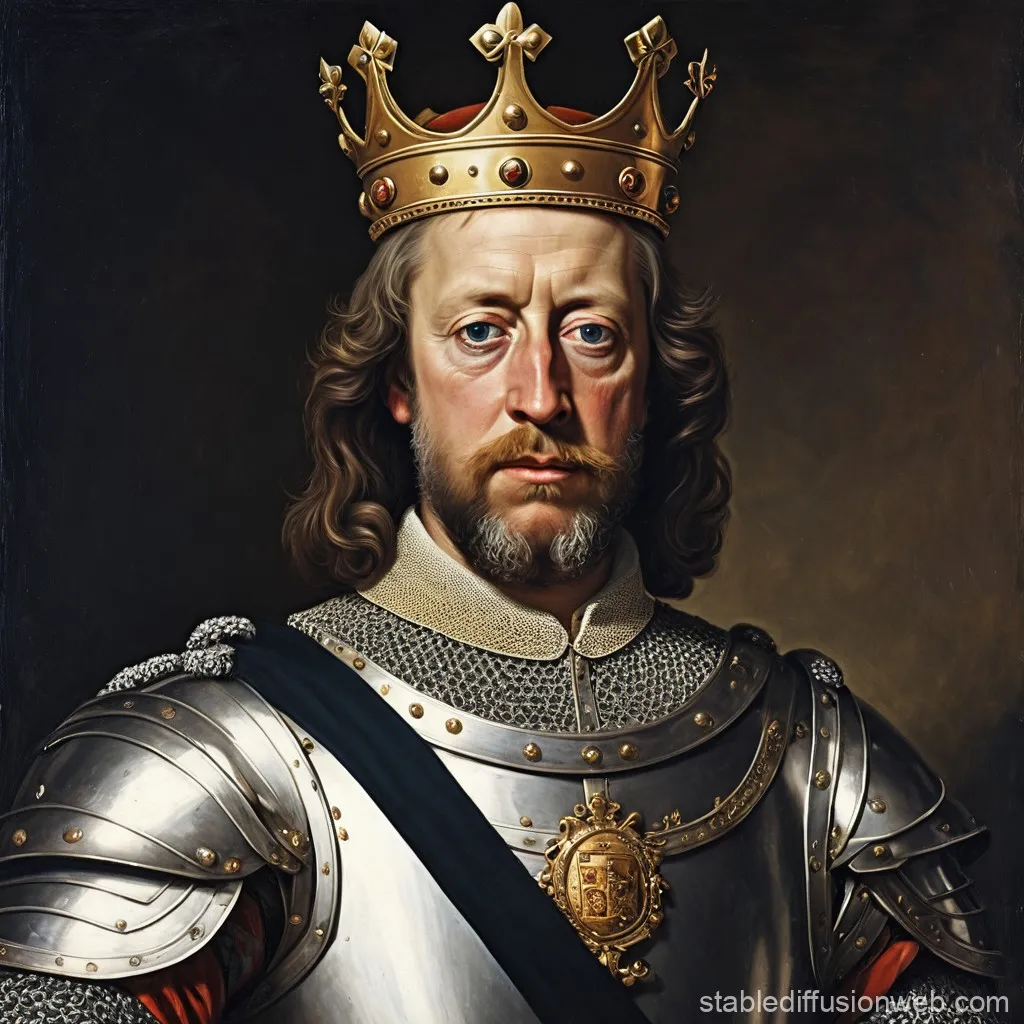 Photo: William the Conqueror, via imgcdn.stablediffusionweb.com
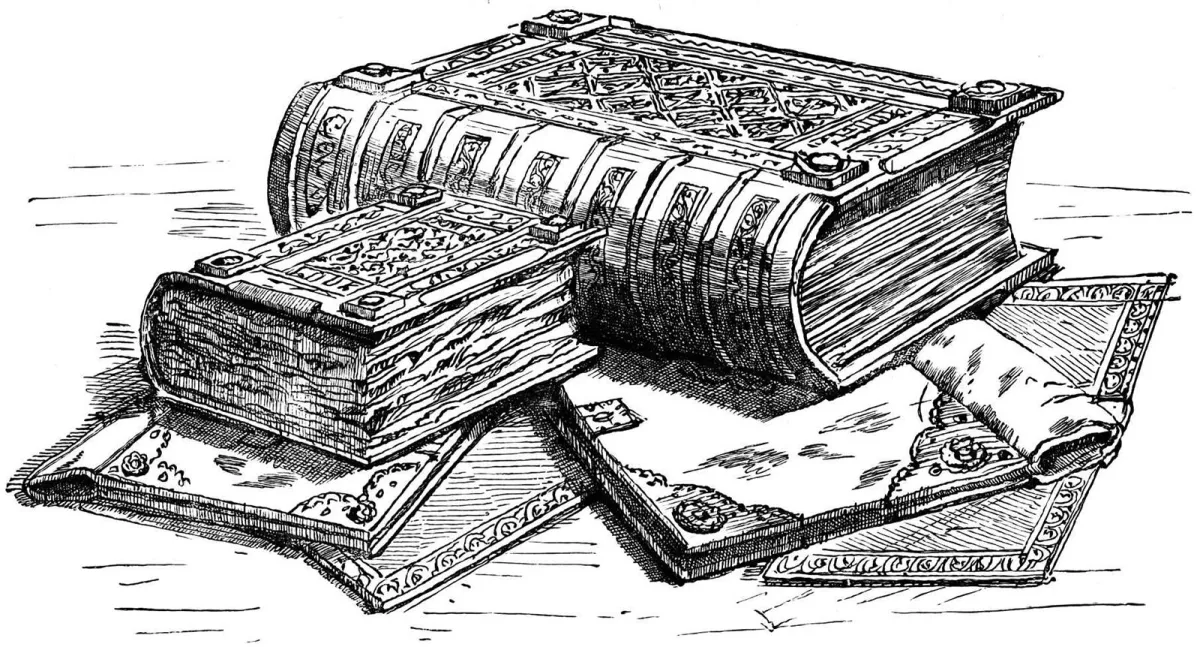 Photo: Domesday Book, via cdn.britannica.com
Medieval rulers refined the Assyrian model by adding religious categories to political ones. Jewish populations were counted separately, often for the specific purpose of taxation or expulsion. Muslim populations in Christian territories faced similar enumeration. The census became a tool for identifying religious minorities who could be subjected to special restrictions or, when politically convenient, eliminated entirely.
The American Experiment in Democratic Counting
The United States Constitution mandates a decennial census, ostensibly for the neutral purpose of apportioning representation. Yet from the first count in 1790, American enumeration has been deeply political. The infamous "three-fifths compromise" represented the most explicit acknowledgment that counting rules determine political power: enslaved people would be partially counted for representation but completely excluded from citizenship.
Subsequent censuses reveal the evolution of American political categories. The 1870 census, conducted after the Civil War, struggled to classify formerly enslaved people. The 1890 census introduced blood quantum measurements for Native Americans. The 1930 census added "Mexican" as a racial category, then removed it in 1940. Each change reflected shifting political priorities disguised as improved accuracy.
The Modern Sophistication of Statistical Manipulation
Contemporary census controversies demonstrate how little has changed in the fundamental dynamics of enumeration politics. The debate over adding citizenship questions to the 2020 census followed the ancient script: supporters claimed administrative necessity while opponents recognized political manipulation. The question wasn't whether such inquiries would affect count accuracy—everyone knew they would—but whether that effect served legitimate purposes.
Modern technology has made enumeration both more precise and more manipulable. Sophisticated sampling techniques can produce accurate population estimates without full counts, but they can also be adjusted to favor particular political outcomes. The choice between direct enumeration and statistical modeling becomes a choice between different forms of bias rather than between bias and neutrality.
The Psychology of Categories
Why do populations submit to being counted, categorized, and controlled through census procedures? Five thousand years of human behavior suggests several consistent patterns.
First, enumeration promises inclusion. Being counted implies recognition, even when that recognition comes with obligations. Populations that have been historically excluded often demand census inclusion, not recognizing that visibility can increase vulnerability.
Second, categories feel natural once established. The decision to count people by race, religion, or national origin seems obvious to those raised within such systems. Alternative counting schemes—by height, shoe size, or astrological sign—appear absurd, demonstrating how thoroughly political categories disguise themselves as natural ones.
Third, statistical authority is difficult to challenge. Numbers carry the appearance of objectivity that makes political manipulation harder to detect and oppose. A population that might resist explicit discrimination often accepts statistical disparities as unfortunate but inevitable.
The Digital Evolution
Modern governments have moved far beyond traditional census methods. Digital tracking, commercial data mining, and algorithmic analysis provide continuous population monitoring that makes decennial counts seem primitive. Every credit card purchase, cell phone ping, and social media post contributes to a real-time census of unprecedented detail and accuracy.
This technological evolution has preserved the fundamental political dynamic while making it less visible. Instead of obvious government counters visiting homes, private companies collect data that governments purchase or compel. The enumeration continues, but the enumerators have become invisible.
Who Counts, Who Decides
The deepest political question about enumeration isn't technical but constitutional: who has the authority to decide which categories matter? In democratic societies, this power theoretically belongs to the people through their elected representatives. In practice, it belongs to bureaucrats, statisticians, and technical experts who operate with minimal oversight.
This delegation of categorical authority represents one of democracy's least examined vulnerabilities. Populations that carefully guard their voting rights often ignore their enumeration rights, not recognizing that the power to categorize is often more consequential than the power to vote.
The Eternal Return
From Assyrian tribute rolls to Facebook's demographic targeting, the pattern remains consistent: those who control enumeration control power. The technology grows more sophisticated, the categories multiply and subdivide, but the fundamental relationship between counting and controlling never changes.
Every empire that has wanted to rule a people has first learned to label and count them. Every population that has resisted imperial control has eventually faced the counter's question: what are you, and how many of you are there? The answer determines not just representation but survival.
In the end, the census reveals a profound truth about political power: numbers don't lie, but those who count them always do. The question isn't whether enumeration serves political purposes—it always has and always will. The question is whether those purposes serve justice or merely power.