The First Draft of Forever: How Crisis Journalists Become History's Accidental Architects

The First Draft of Forever: How Crisis Journalists Become History's Accidental Architects
On the evening of November 22, 1963, Walter Cronkite removed his glasses, glanced at the studio clock, and announced to America that President Kennedy was dead. In that moment of national trauma, Cronkite didn't just report the news—he became the voice that would define how Americans remembered the event. His measured delivery, visible emotion, and careful choice of words created the template for how the assassination would be understood for decades.
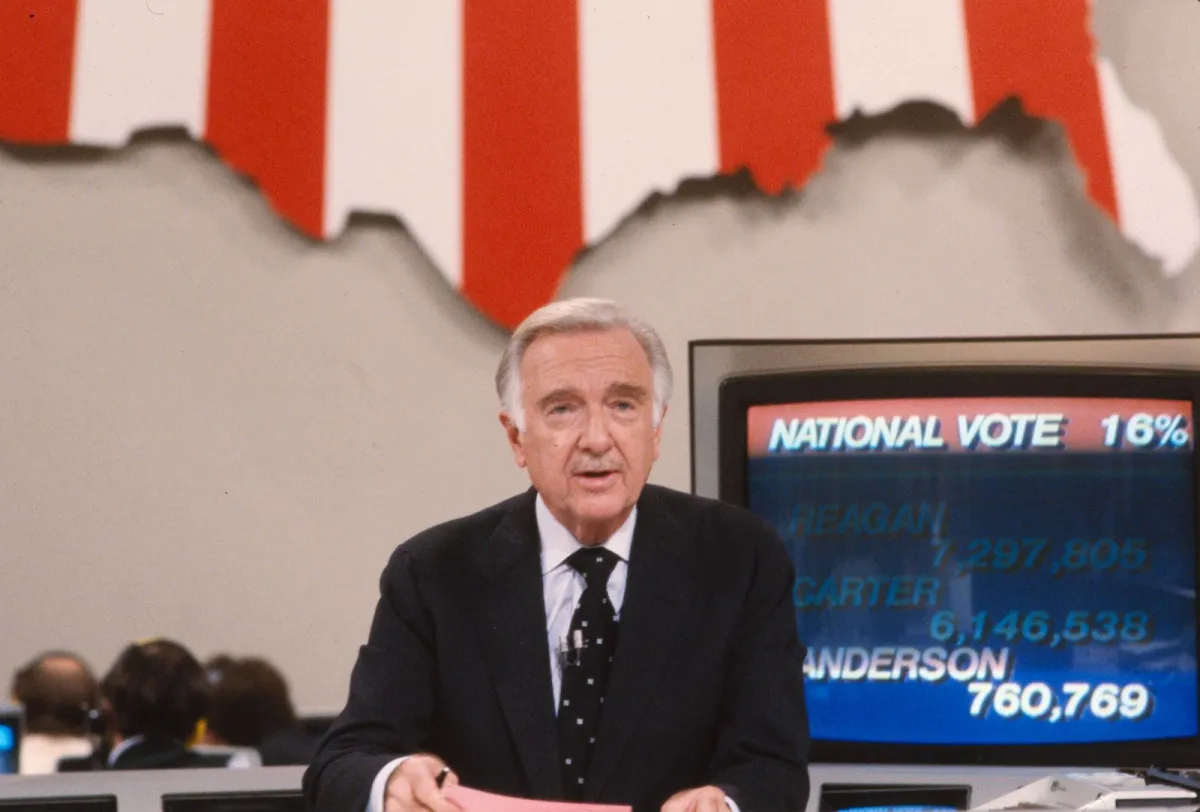 Photo: Walter Cronkite, via cdn.britannica.com
Cronkite was operating on fragments of information, personal instinct, and professional training. He got some details wrong and left crucial questions unanswered. But he got the feeling exactly right, and in the economy of public memory, emotional accuracy often matters more than factual precision.
This phenomenon—the emergence of a single interpretive voice during moments of crisis—has repeated itself across five millennia of recorded history. From ancient chroniclers to modern newsletter writers, the person who first explains what happened often becomes the person who determines what it meant.
The Pamphleteer's Power
Thomas Paine never intended to become the voice of American revolution. A recently arrived English immigrant with a history of failed ventures, Paine was simply trying to make sense of the colonial crisis when he published "Common Sense" in January 1776. The pamphlet was rushed to print, full of rhetorical excess, and contained several factual errors about British constitutional law.
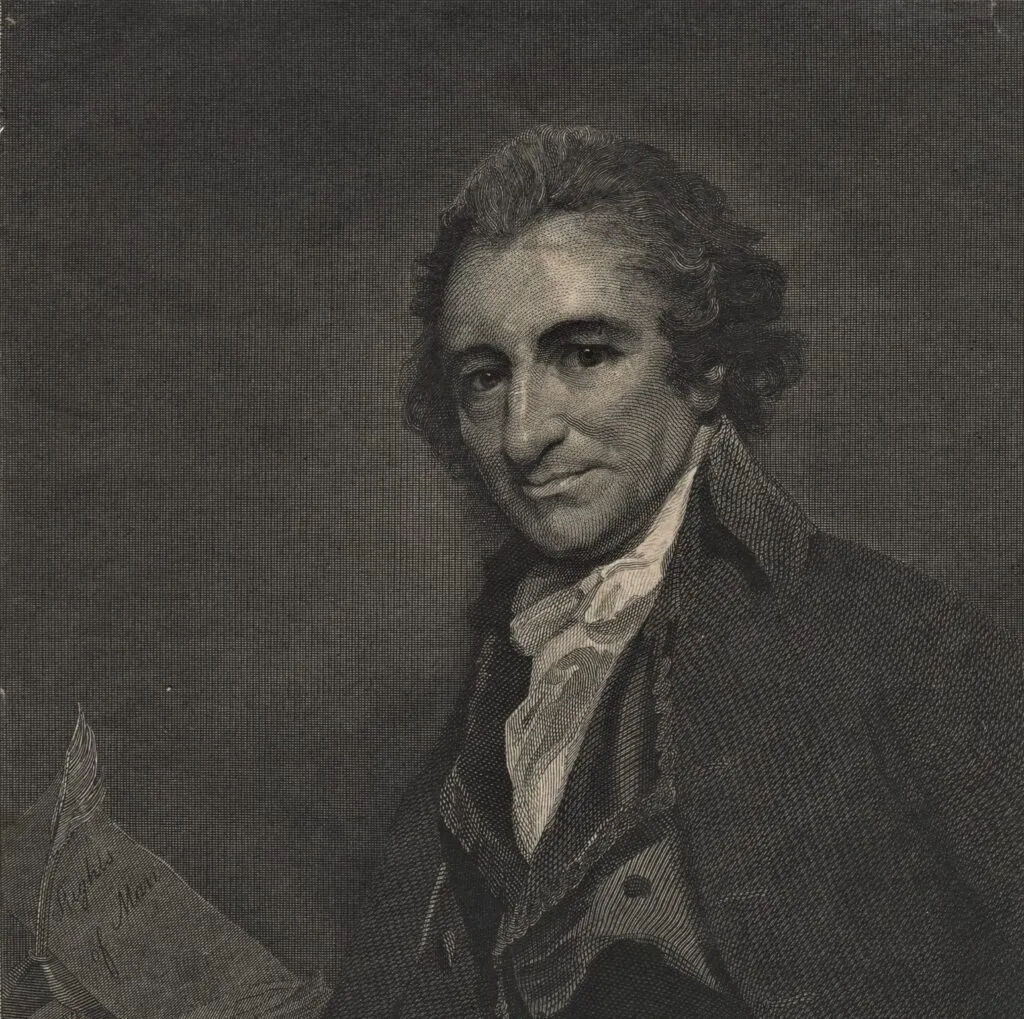 Photo: Thomas Paine, via thomaspainelegacy.org
None of that mattered. Paine had captured something that more careful, more qualified observers had missed: the emotional logic of independence. His phrase "the birthday of a new world" became how Americans understood their revolution, not just as a political separation but as a fundamental break with the past. Generations of schoolchildren would learn American history through Paine's interpretive framework, even though many of his specific predictions proved wildly inaccurate.
The pattern was already ancient by Paine's time. Herodotus had done something similar for the Persian Wars, creating the narrative framework of East versus West, freedom versus despotism, that would influence how Europeans understood conflict for the next two thousand years. His "Histories" were based on secondhand accounts, cultural stereotypes, and personal speculation, but they provided the story that made sense of otherwise incomprehensible events.
The Broadcast Authority
The 20th century amplified this phenomenon through mass media, but didn't fundamentally change its psychology. Edward R. Murrow's radio broadcasts from London during the Blitz created Americans' understanding of British courage under fire. His phrase "This is London" became synonymous with civilian resistance to fascism, even though Murrow was reporting from a relatively safe part of the city and had limited access to the broader British experience.
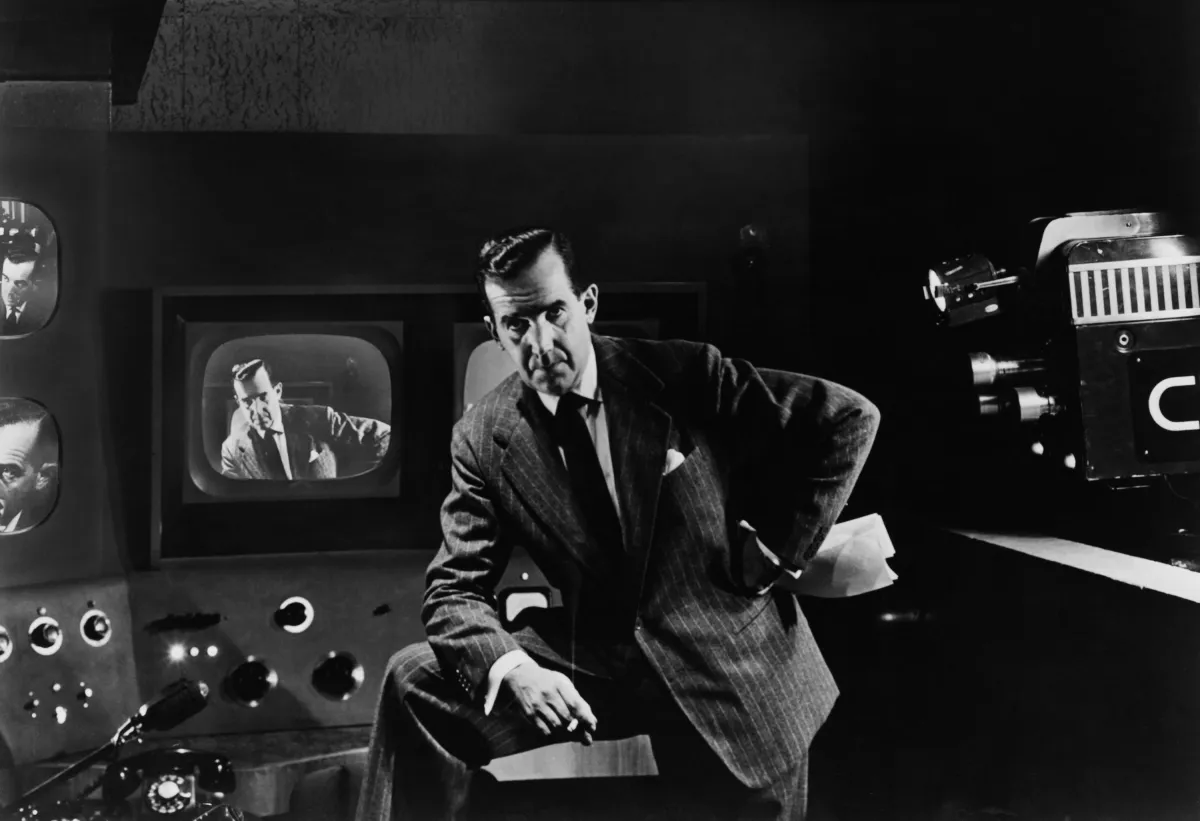 Photo: Edward R. Murrow, via www.thoughtco.com
Television concentrated this power even further. When Cronkite declared the Vietnam War a stalemate in 1968, he wasn't offering military analysis—he was providing emotional permission for Americans to abandon support for a conflict they no longer understood. President Johnson reportedly said that if he'd lost Cronkite, he'd lost middle America. The anchorman's opinion had become more politically significant than battlefield developments.
This concentration of interpretive authority in a single media figure reached its peak during the network television era, when three men—Cronkite, Tom Brokaw, and Peter Jennings—essentially decided what events meant for the majority of Americans. They weren't elected, weren't experts in most of the subjects they covered, and often operated under severe time constraints. But they possessed something more valuable than expertise: the public's trust in their ability to make sense of chaos.
The Digital Fragmentation
The internet age has democratized this process without eliminating it. Instead of one Cronkite, we now have dozens of interpretation-makers operating across different platforms and audiences. The Substack newsletter writer who explains the latest political scandal to 100,000 subscribers wields the same kind of meaning-making power that pamphlet writers once possessed. The Twitter thread that goes viral during a crisis can shape public understanding as effectively as a television broadcast.
Consider how different voices emerged to interpret the 2020 election aftermath. Traditional media figures like Anderson Cooper and Rachel Maddow provided one framework. Newsletter writers like Matt Taibbi and Glenn Greenwald offered another. Podcast hosts like Joe Rogan created a third interpretive space. Social media influencers developed their own explanatory narratives. Each attracted audiences that trusted their particular way of making sense of events, creating multiple competing versions of "what really happened."
This fragmentation hasn't eliminated the phenomenon of the crisis interpreter—it has multiplied it. Each audience segment gets its own Cronkite, its own trusted voice to explain why events unfolded as they did and what those events mean for the future.
The Psychology of Authority
What makes certain voices authoritative during crises isn't expertise—it's the ability to project confidence while acknowledging uncertainty. The most effective crisis interpreters master the paradox of seeming informed without claiming omniscience, of providing clarity while admitting confusion.
This psychological dynamic explains why journalism professors rarely become the voices that define major events, while working reporters with no special qualifications beyond being present often do. The public doesn't want analysis during a crisis—they want someone to tell them how to feel about what they're witnessing.
The most successful crisis interpreters understand this instinctively. They focus on emotional coherence rather than factual completeness. They provide narrative frameworks that help audiences organize their own confused reactions. They become temporary father figures or trusted friends, offering the psychological comfort of having someone reliable explain the inexplicable.
The Accidental Historians
What these crisis interpreters rarely realize is that they're not just explaining the present—they're writing the first draft of history. Their hastily constructed narratives often become the official version of events, taught in schools and referenced in textbooks long after the original context has been forgotten.
This creates a peculiar form of responsibility. Journalists covering breaking news operate under deadline pressure, with incomplete information and no time for reflection. Yet their immediate interpretations often outlast more careful, scholarly analyses produced years later. The quick take becomes the permanent record, not because it's more accurate, but because it was first.
Modern examples abound. The journalist who first described January 6th as an "insurrection" shaped how that event would be understood politically and legally. The reporter who characterized the 2008 financial crisis as a result of "greed" rather than regulatory failure influenced public policy responses. The commentator who framed the COVID-19 pandemic as primarily a public health crisis rather than an economic one affected government priorities for years.
The Burden of the Moment
The democratization of media has made this dynamic more visible but no less powerful. Anyone with a platform can become a crisis interpreter, but only a few voices will emerge as authoritative. The selection process remains mysterious, involving some combination of timing, audience, rhetorical skill, and pure chance.
What hasn't changed is the fundamental human need for someone to explain what's happening during moments of collective confusion. We are story-telling creatures who require narrative frameworks to process traumatic or transformative events. The person who provides that framework—whether they're qualified or not—becomes a temporary architect of public memory.
The Eternal First Draft
Five thousand years of recorded history suggest that this pattern will persist regardless of technological change. New platforms will emerge, new voices will gain authority, and new crises will demand immediate interpretation. But the underlying psychology remains constant: in moments of collective uncertainty, we turn to whoever can most convincingly explain what we've just witnessed.
The question for any democracy is whether this system of accidental authority serves the public interest. When the person explaining the moment operates on incomplete information and personal conviction, what does that mean for collective decision-making? When the first interpretation becomes the permanent record, how do societies correct course when that interpretation proves inadequate?
History offers no easy answers, only the recognition that whoever names the moment shapes the memory. In an age when moments multiply and memories compete, that power has never been more distributed—or more consequential.