When Victory Becomes a Problem: The Eternal Challenge of Managing Successful Military Leaders

The Victor's Paradox
In 49 BCE, Julius Caesar faced a choice that would echo through millennia: cross the Rubicon River with his loyal legions, or return to Rome defenseless and face prosecution by his political enemies. His decision to march on the capital didn't emerge from ambition alone—it crystallized a fundamental problem that every successful state eventually confronts. The very qualities that make a military commander effective in war make him dangerous in peace.
 Photo: Rubicon River, via daxstreet.com
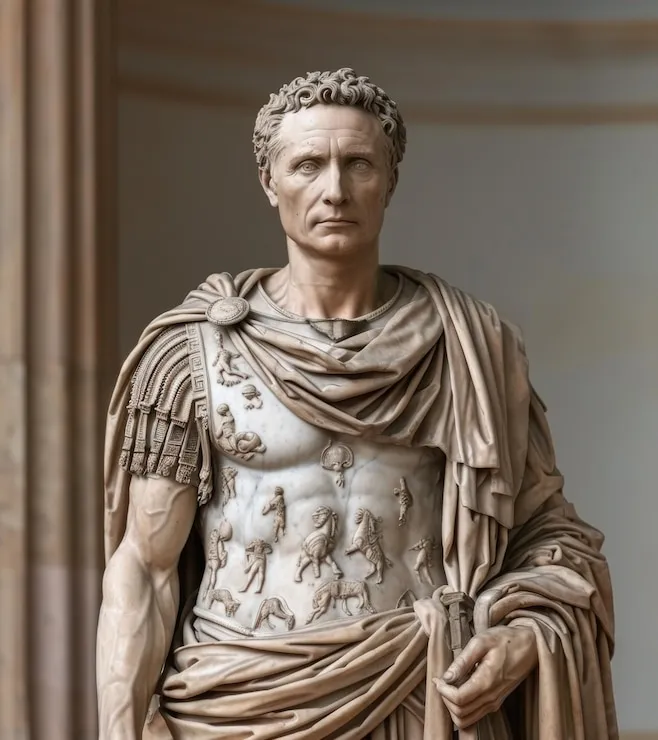 Photo: Julius Caesar, via img.freepik.com
Caesar's crossing represents the ultimate failure of succession planning, but the warning signs had been visible for decades. Rome's expansion had created a class of generals whose victories made them wealthy, famous, and beloved by their troops. Yet the Republic's institutions, designed for a city-state, had no mechanism for channeling that success into constructive post-war roles. The result was predictable: ambitious commanders began viewing political office not as public service, but as the natural extension of military achievement.
The American Solution
The United States, studying this historical pattern, crafted what appeared to be an elegant solution. George Washington's voluntary relinquishment of power after two terms established a precedent that shocked European observers—King George III reportedly called it the greatest act in the history of the world. But Washington's example worked precisely because it was voluntary, not institutional.
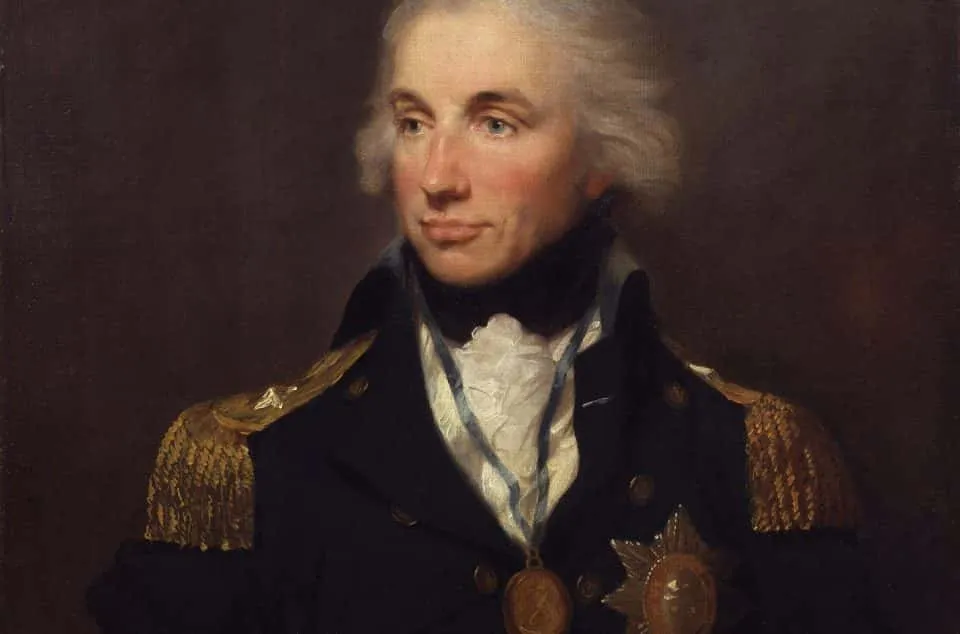 Photo: George Washington, via www.factinate.com
The real test came with subsequent military heroes. Andrew Jackson leveraged his victory at New Orleans into the presidency, but the system channeled his ambitions through electoral politics rather than military coup. Dwight Eisenhower followed a similar path after World War II, though his case reveals the careful choreography required to manage victorious commanders.
Eisenhower's transition from Supreme Allied Commander to university president to political candidate wasn't accidental—it was a deliberate cooling-off period that allowed his military reputation to transform into civilian credibility. The American system had learned to create what Rome never managed: attractive alternatives to seizure of power.
The MacArthur Moment
Yet even the American system faced its Caesar moment in 1951, when Douglas MacArthur openly challenged President Truman's conduct of the Korean War. MacArthur's dismissal represented more than a personnel decision—it was a constitutional stress test that revealed how close democratic systems can come to military coup without recognizing the danger.
MacArthur commanded immense public support, had transformed himself into a media celebrity, and possessed the loyalty of significant military factions. His removal sparked massive protests and congressional hearings that split the nation. The crisis passed not because American institutions were inherently stronger than Rome's, but because key military leaders chose constitutional order over personal loyalty to MacArthur.
This near-miss illustrates the fragility of civilian control. Had MacArthur possessed Caesar's willingness to cross constitutional lines, or had other senior officers supported him, American democracy might have faced its own Rubicon moment.
The Retirement Solution
Successful societies develop sophisticated mechanisms for managing victorious generals. The British system perfected the art of imperial proconsulships—sending successful commanders to govern distant colonies where their ambitions could be channeled into expansion rather than domestic politics. The French created a parallel structure of military honors and sinecures that provided status without power.
Modern democracies have institutionalized this approach through defense contracting, think tanks, and corporate boards that offer lucrative second careers to retiring generals. These aren't corruption—they're sophisticated solutions to an ancient problem. By creating attractive post-military opportunities, democratic systems reduce the incentive for military coups while maintaining the expertise of successful commanders.
The Pattern Persists
Yet the fundamental tension remains unchanged. Every successful military intervention creates heroes whose popularity may exceed that of the civilian leadership who ordered the intervention. The 1991 Gulf War made Colin Powell a household name and potential presidential candidate. The early phases of the Iraq and Afghanistan wars created similar dynamics with David Petraeus and other commanders.
The difference between stable and unstable systems lies not in eliminating this tension—it's inherent to military success—but in managing it through institutional channels. Societies that create attractive alternatives to coup attempts survive. Those that leave victorious generals with no options but retirement or rebellion tend not to.
The Succession Question
This pattern extends beyond individual generals to entire military establishments. The most dangerous moment for any democracy comes when its military achieves decisive victory while its civilian leadership appears weak or illegitimate. The temptation for military intervention grows not from military ambition alone, but from the perception that civilian institutions have failed while military institutions have succeeded.
Five thousand years of human behavior suggest this dynamic is unchangeable. What varies is how successfully political systems channel military success into constructive post-war roles. The societies that master this transition survive. Those that don't become cautionary tales about the price of victory.