The Puppet Who Pulled Its Own Strings: Five Thousand Years of Exile Politics Gone Wrong

Somewhere in the archives of every major power that has ever attempted to manage a foreign opposition movement from a comfortable distance, there exists the equivalent of an after-action report that reads some variation of the following: We believed we understood what they wanted. We provided resources, legitimacy, and a platform. Upon their return to power, they pursued their own agenda entirely. We are reassessing our approach.
This report has been written, in various forms, for approximately five thousand years. The strategy is repeatedly rediscovered. The hidden cost is repeatedly ignored. The painful lesson is repeatedly learned.
The Persian Experiment
The Persian Empire under the Achaemenid dynasty was among the first great powers to systematically cultivate foreign dissidents as instruments of policy. When Greek city-states generated political losers — exiled aristocrats, defeated faction leaders, ostracized generals — the Persian court in Susa offered a reliable destination. The welcome was genuine and the resources were real.
Themistocles, the Athenian architect of the Greek victory at Salamis over the Persian fleet, ended his life as a Persian provincial governor. Alcibiades, the brilliant and catastrophically unreliable Athenian commander, spent time advising Sparta, then Persia, then Athens again, selling strategic intelligence to whoever currently hosted him. The Persians found these figures useful. They also found them, consistently, impossible to fully control.
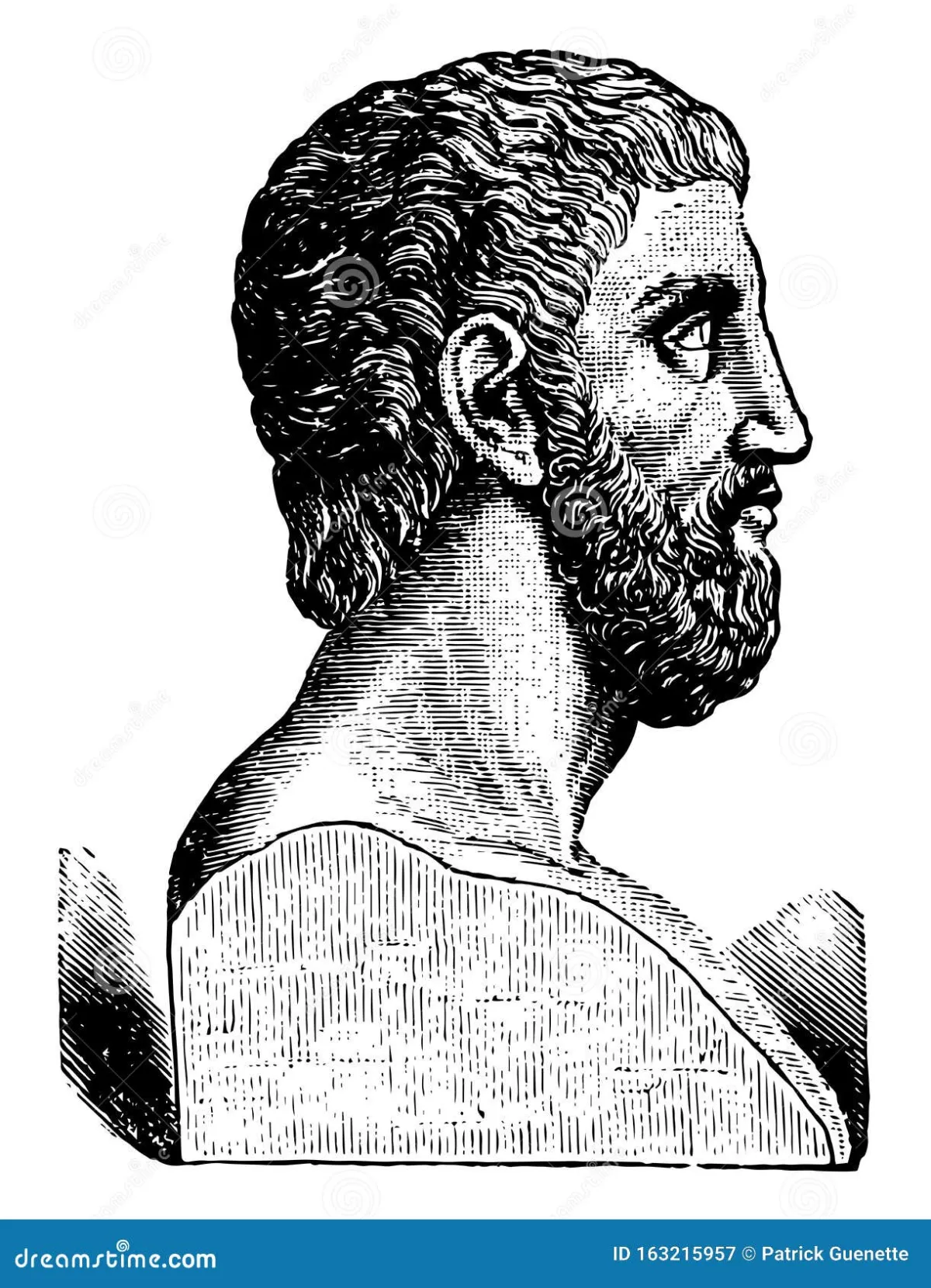 Photo: Alcibiades, via thumbs.dreamstime.com
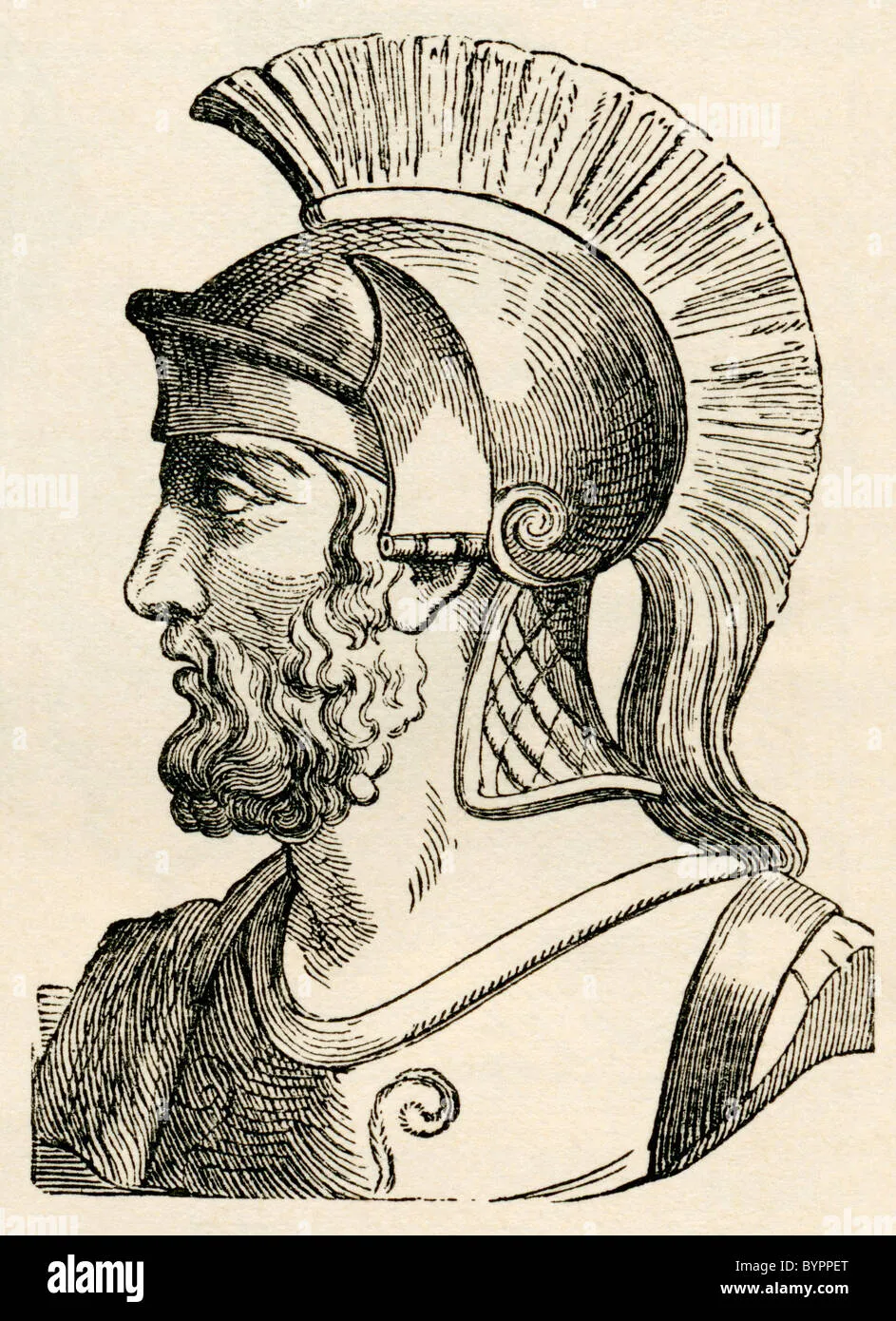 Photo: Themistocles, via www.alamy.com
The exiles arrived with their own constituencies, their own ambitions, and their own understanding of what their return to power would look like — an understanding that rarely aligned precisely with Persian strategic interests. The Persians provided the platform; the exiles pursued their own scripts.
Human psychology does not change. The person who has survived exile, maintained their political identity across years of displacement, and built a network of supporters around a specific vision of return is not, upon achieving that return, going to subordinate all of that to the preferences of the foreign patron who funded the journey. The patron is useful until the patron is no longer needed.
Rome's Imported Problems
Rome's long engagement with client kings and sponsored opposition figures generated some of the ancient world's most instructive examples of this dynamic. The city on the Tiber became, over centuries, a kind of clearinghouse for displaced royalty and aspiring rulers from across the Mediterranean world.
Mithridates VI of Pontus, one of Rome's most formidable adversaries, spent decades cultivating disaffected Roman allies and using their grievances against their patron. The mechanism worked in reverse as well: Rome harbored Pontic dissidents and used them as pressure instruments against Mithridates. Neither side found the strategy as controllable as anticipated.
More instructive still was Rome's long relationship with Ptolemaic Egypt, where successive Roman factions backed competing claimants to the throne according to their own political calculations. The claimants accepted Roman support with gratitude and pursued Egyptian interests with consistency. The Roman patrons were perpetually surprised to discover that the rulers they had installed did not feel permanently indebted.
Cold War Architecture
The Cold War elevated exile management to something approaching an institutional art form. Washington and Moscow both operated extensive networks of sponsored opposition movements, intellectual communities, and government-in-exile structures — each convinced that the other's proxies were cynical instruments while their own were genuine expressions of popular will.
The Congress for Cultural Freedom, funded covertly by the CIA from 1950 onward, gathered European and American intellectuals under an anti-communist banner. The program was sophisticated, genuinely influential, and produced real cultural output. It was also, from the agency's perspective, chronically difficult to manage. The intellectuals had their own ideas. Some drifted leftward. Some became critics of American policy. Some proved more interested in the ideas than in the strategic objectives the ideas were meant to serve.
Radio Free Europe broadcast into the Soviet bloc for decades, and its effects on public opinion behind the Iron Curtain were real and significant. But the broadcasters — many of them Eastern European émigrés with vivid memories of Soviet occupation — sometimes pushed harder and faster than Washington's diplomatic calculations preferred. During the 1956 Hungarian uprising, some broadcasts contributed to expectations of American military intervention that the Eisenhower administration had no intention of fulfilling. The gap between what the exiles believed and what the patron intended produced consequences that neither had fully anticipated.
The Iraq Hypothesis
The most recent large-scale American experiment with sponsored exile politics produced the most thoroughly documented iteration of the recurring pattern. The Iraqi National Congress, led by Ahmed Chalabi, spent the 1990s cultivating relationships with American neoconservative intellectuals and intelligence officials, providing intelligence assessments — later discredited — about Iraqi weapons programs and offering visions of a post-Saddam Iraq that aligned precisely with what American policymakers most wanted to hear.
 Photo: Ahmed Chalabi, via media1.s-nbcnews.com
Chalabi understood his audience. He provided what was needed to secure the sponsorship. The sponsorship secured the invasion. The invasion removed the regime. And Chalabi, once in Iraq, proved to have political ambitions and Iranian connections that the American officials who had championed him had not fully accounted for. He died in 2015 having never achieved the political dominance he and his American backers had anticipated. The country he had helped to reshape bore little resemblance to the model either had envisioned.
This was not an anomaly. It was the pattern.
Why the Strategy Persists Despite Its Record
Given the consistency of these failures, the persistence of the strategy demands explanation. The answer lies, again, in human psychology rather than political theory.
Exile communities are extraordinarily skilled at telling sponsoring powers what those powers want to hear. They have every incentive to do so: the resources, the platform, and the legitimacy they need flow from the patron's continued belief in their utility. They are not necessarily lying — they may genuinely believe the vision they are selling. But they are optimizing for survival in exile, which requires different skills than governing a country, and the gap between those two skill sets tends to become apparent only after the return.
The sponsoring state, meanwhile, is subject to its own psychological pressures. Officials who have invested political capital in a particular exile movement have strong incentives to discount evidence that the movement is not what they believed it to be. Intelligence that challenges the investment gets discounted. Intelligence that confirms it gets amplified. The result is a sustained collective illusion maintained by both parties for different reasons.
The Recurring Bill
The historical record does not suggest that states should abandon the use of exile communities as foreign policy instruments. It suggests something more specific: that the cost of the strategy is almost always higher than the initial accounting suggests, and that the hidden expense — the moment when the sponsored opposition becomes an independent actor pursuing its own interests — arrives with reliable punctuality.
Five thousand years of data on this question point toward a single, consistently ignored conclusion. The opposition you sponsor is the opposition you least control. The patron who forgets this tends to be reminded, eventually, at considerable expense.