Wisdom on Layaway: The Exile Who Discovers His Conscience After the Verdict
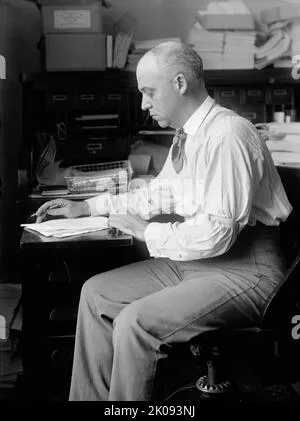
Photo: lonely politician writing at desk in dim room, via l450v.alamy.com
There is a genre of political literature older than the printing press: the testament of the man who has lost everything and suddenly, remarkably, found his principles. The deposed dictator who writes movingly of restraint. The fallen minister who confesses, in elegiac prose, the dangers of the very powers he wielded. The defeated general who, having marched a nation into catastrophe, retires to author a treatise on the folly of war.
The record is full of them. The question is what to make of them.
The Pattern
Consider the recurring figure of the defeated autocrat who discovers constitutionalism in exile. Napoleon, having drowned Europe in blood, spent his final years on Saint Helena dictating a memoir of enlightened republicanism — a legend so effective it helped his nephew win a French presidency twenty years later. The Roman dictator Sulla, after presiding over proscriptions that emptied the Senate's rolls, voluntarily resigned power and wrote that he was retiring to enjoy his blessings. Cicero, who watched him do it, was not persuaded that the resignation redeemed the slaughter.
The American record offers its own versions: the cabinet officials who wrote cautionary memoirs about administrations they served loyally, the war architects who became, upon leaving office, eloquent skeptics of the wars they designed. The timing is never random. Conscience, in these cases, has a remarkable capacity to wait until it can no longer cost anything.
The Case for Sincerity
To be fair to the genre — and fairness matters, because a neutral reading of the record demands it — proximity to power is a documented distorting drug. Plato's observation about the corrupting effect of tyranny has modern experimental support: studies of power and empathy consistently find that authority measurably reduces a person's capacity to take others' perspectives. It is entirely plausible that some of these men genuinely could not see clearly while in office, and genuinely can see clearly after. The repentance is real; it simply arrived too late to matter.
The Case Against
But the record also suggests something less flattering. The conversion narrative is, structurally, a bid for rehabilitation — the last political campaign, run for the judgment of history instead of the judgment of voters. The memoir of the fallen leader is written for the same reason monuments are built: to fix the version of the story that survives. When Sulla resigned, he was securing his legacy. When Napoleon dictated, he was running for the sympathy of posterity. The wisdom of the exile is always, conveniently, the wisdom that flatters the exile.
And there is a darker reading still. The post-power confession does real harm, because it teaches the watching public a lesson: that accountability is optional, that one may do the damage first and publish the apology later, and that history — soft-hearted as ever — will weigh the apology heavily. The condemned made useful; the condemned made wise.
The Verdict of the Record
Five thousand years of data support a split decision. Some late conversions are genuine; the human capacity for growth does not expire with office. But sincerity is not the right test, because sincerity is cheap once power is gone. The right test is timing. Wisdom that arrives only when it can no longer be acted upon — when the general can no longer stop the war, when the minister can no longer reverse the policy — is not statesmanship. It is the last vanity of a man who wants to be remembered as the person he might have been, at the exact moment he can no longer be held to the person he was.
The public, when presented with these testaments, would do well to read them as history rather than guidance. The record's verdict is blunt: we should judge leaders by what they did with power, not by what they wrote without it.